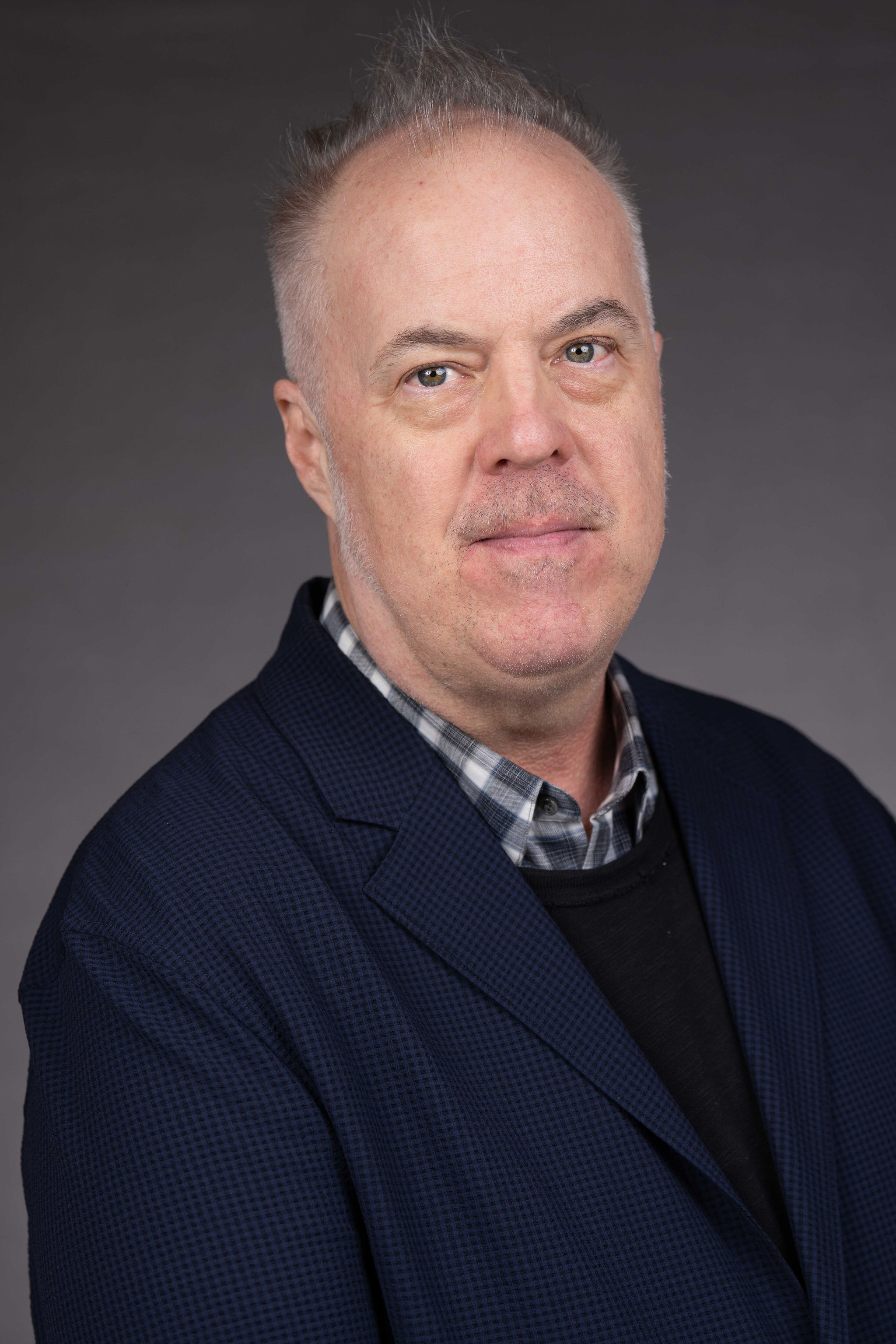




Eva Keiser, APR, Fellow PRSA, on Building a Career of Impact
By John Elsasser
September 2026
Eva Keiser, APR, Fellow PRSA, has spent more than three decades building a career across agency leadership, consulting, higher education and service to the profession.
In June, the PRSA Midwest District recognized that work by presenting Keiser with its Platinum Award, the district’s highest individual honor, citing her leadership, mentorship, and commitment to advancing the profession.
Here, she discusses the lessons she has learned along the way, the value of mentorship and professional relationships, and why she believes effective leadership is measured less by visibility than by impact. — John Elsasser
Looking back over your career, what accomplishment or moment are you personally most proud of … and why?
Applying for the PRSA College of Fellows offered me the opportunity to step back and examine my career through a different lens. Rather than looking at individual awards, campaigns or professional milestones, the process challenged me to think about impact.
Where had I made a difference, and what would remain because I had been involved? What I realized is that I’m most proud not of any single accomplishment, but of the cumulative impact of my career. It’s the organizations I’ve helped strengthen, the students and professionals I’ve had the opportunity to teach and mentor, and the relationships I’ve built through my client work and involvement in PRSA.
The Platinum Award was especially meaningful because it recognized that broader body of work. It reinforced something I came to appreciate through the Fellows process: A career isn’t defined only by what you accomplish, but by what you contribute and the impact you have on others.
You’ve worked in agency leadership, higher education and now run your own consulting practice. How has each chapter of your career shaped the communications professional you are today?
Each chapter taught me something different. Agency life gave me a strong foundation in strategy, client service and the discipline of delivering quality work under pressure. As a consultant, you’re looked to for quick responses and action plans, which taught me the importance of being decisive while still asking the right questions.
Teaching forced me to press pause on my own thinking process, step back and explain not just what we do, but why it matters. I also find tremendous value in seeing situations from students’ perspectives and their lived experiences. They question assumptions and challenge the status quo of how things have always been done, continually giving me a fresh perspective on our profession.
You launched your consultancy, The Plural I, in 2011 after more than 15 years in agency leadership. What prompted that leap? What surprised you most about becoming an independent practitioner?
For me, the decision to launch The Plural I came at a point in my career when I wanted more control over where I invested my time and energy. After more than 15 years in agency leadership, I was ready to create a career that reflected what I valued professionally and build the right mix of client work, volunteer leadership, and teaching.
As an independent practitioner, I am empowered to select clients and projects that I connect with and, importantly, to develop deeper relationships with those clients and their industries. Independence allowed me to make teaching a meaningful part of my career and to commit to leadership roles within PRSA. It also gave me greater control over my time, allowing me to structure my work around the other priorities in my life and work whenever and wherever I needed to — even if that meant working from the parking lot during one of my sons’ practices.
What surprised me most was how much I valued having all of those dimensions in my career. Working independently wasn’t simply about working for myself; it was about creating a career around the work, relationships and opportunities where I felt I could contribute the most.
Many PR professionals dream of starting their own consultancy. What’s one lesson you wish someone had shared with you before you made that transition?
• Don’t expect to go full speed right out of the gate. Plan to give yourself grace to adjust to the new work dynamic and manage your growth. Building a sustainable independent practice takes time and requires some trial and error to figure out how you want to run your business.
• When you’re independent, it can be tough to go off the clock. When your home, phone or laptop is your office, there’s always one more email to answer or task to finish. Learning when to check out of the office can be just as important as learning how to run the business.
You’ve mentored many professionals throughout your career. What’s one piece of career advice you find yourself giving repeatedly?
Be curious and go beyond what you are given. So much of our work involves sifting through information that is handed to us, but the real insight and inspiration often come from asking questions that help us understand the why, uncover a different perspective or see a connection others might miss. It’s often in those moments of discovery that inspiration is born.
If you could sit down with a communications professional just starting their career today, what would you encourage them to invest in now that will still matter years from now?
It’s easy to become immersed in your daily work, but it’s just as important to invest in building professional relationships beyond your organization. Invest your time in building your future, not just responding to today’s needs. Look for opportunities to volunteer, take on leadership roles and stretch yourself by doing things you don’t typically do in your day-to-day work.
Those experiences can broaden your perspective, build new skills and introduce you to people who can influence your career in unexpected ways. Connections I made early in my professional career remain among my most valued relationships and resources today.
You work with organizations of all sizes and industries. What communication challenge seems to be nearly universal, regardless of the client?
The communication challenge we all struggle with is making assumptions about what our audiences want and need to hear from organizations. Too often, we fall into the trap of communicating from the organization’s perspective rather than taking the time to understand what matters to the people we’re trying to reach.
A related challenge I regularly see as an Anvil judge is the tendency to focus on what was created rather than what was accomplished. We count the news releases, social posts, events or media placements, but the more important question is: What changed as a result? Did we change awareness, understanding, attitudes or behavior? Moving from a mindset focused on outputs to one focused on outcomes makes us more strategic communicators and better demonstrates the value of our work.
Your nomination described your leadership as “quiet but deeply influential.” Leadership today is often associated with being the loudest voice in the room. What does effective leadership actually look like to you?
For me, effective leadership isn’t about being the loudest voice in the room or having all the answers. I believe in the power of action and in translating good intentions into tangible results. Leadership means helping move ideas and initiatives forward in ways that create meaningful change.
At the same time, being action-oriented doesn’t mean acting without first listening. Effective leadership requires empathy and humility, taking the time to understand different perspectives, ask questions and recognize that the best path forward may not be the one you initially envisioned.
I also believe leadership is demonstrated through active engagement and collaboration. It’s making connections, opening doors, encouraging others to step into opportunities and being willing to roll up your sleeves when something needs to get done.
Ultimately, I measure leadership less by how visible you are and more by what happens because you were there. Did you turn an idea into action? Did you help someone grow? Did you make the organization stronger? Did you create opportunities for others to lead? To me, that’s where influence becomes impact.
Outside work, what helps you recharge and stay creative?
My husband and I are learning to adjust to our new reality as “empty nesters,” which has allowed us to rediscover how we spend our time together. Because we both work from home, we’re also learning how important it is to physically step away from work. When your office is always just a few steps away, it can be difficult to truly turn it off.
Getting outside, spending time at the lake, or simply having a change of scenery helps me create that separation. I’ve found that some of my best ideas come when I’m not actively looking for them.