



In the Age of AI, Originality Is Your Greatest Advantage
By John Elsasser
August 2026
Artificial intelligence has made it easier than ever to create content.
It has also made it easier than ever to sound like everyone else.
Today’s communicators have access to extraordinary technology. AI can summarize reports, generate headlines, analyze data and produce content in seconds. It excels at identifying patterns, recognizing what has worked before and predicting what is likely to resonate next.
But that raises an important question: If everyone has access to the same tools, what will distinguish the communicators who truly lead?
As I spoke recently with two of PRSA ICON 2026’s keynote speakers — Gaby Natale and Tyler Gillum — I was struck by how often they arrived at the same conclusion from very different paths.
Natale is a three-time Daytime Emmy Award-winning journalist, entrepreneur and bestselling author. Gillum is the head coach of the Savannah Bananas, whose fan-first approach has transformed an unconventional version of baseball into one of the hottest tickets in sports.
Their careers couldn’t look more different. Yet both offered remarkably similar advice: Don’t imitate.
The risk of following the pattern
Natale warns against what she calls the “emulator mindset” — the tendency to look around, see what’s working for others and build our futures around someone else’s past success. It feels safe. It also guarantees that we’ll never create anything truly original. As she points out, AI is remarkably good at recognizing dominant patterns. Breakthrough ideas, however, rarely begin as the dominant pattern.
Gillum has a different phrase for the same idea: “Bet on yourself.”
Long before sold-out stadiums and millions of fans, he drove 17 hours to Arizona with little money because he believed it was the best place to learn his craft. He accepted an unpaid coaching position, worked groundskeeping in the mornings and coached in the afternoons because he valued opportunity over comfort. That decision became one of many moments when he chose growth over certainty.
Both speakers also recognize that standing apart isn’t always comfortable.
The courage to be different
Natale says communicators increasingly need “the ability to be temporarily disliked” — the willingness to express thoughtful ideas that may not immediately earn approval.
Gillum tells his players they must have “the courage to be misunderstood.” Whether you’re building a personal brand, leading a communications team or reimagining a sport, originality often requires stepping away from consensus before others recognize your vision.
Those lessons feel especially relevant for public relations.
The profession has never been about producing more content than everyone else. It’s about helping organizations find their authentic voice, build trust and communicate ideas that matter. AI can certainly accelerate parts of that work. But it can’t replace judgment. It can’t replace curiosity. And it can’t replace the courage to challenge assumptions or see opportunities that others overlook.
Perhaps that’s why one thought kept returning to me after both conversations.
Communicators are often asked to help brands, organizations and executives stand out. Yet they don’t always permit themselves to do the same.
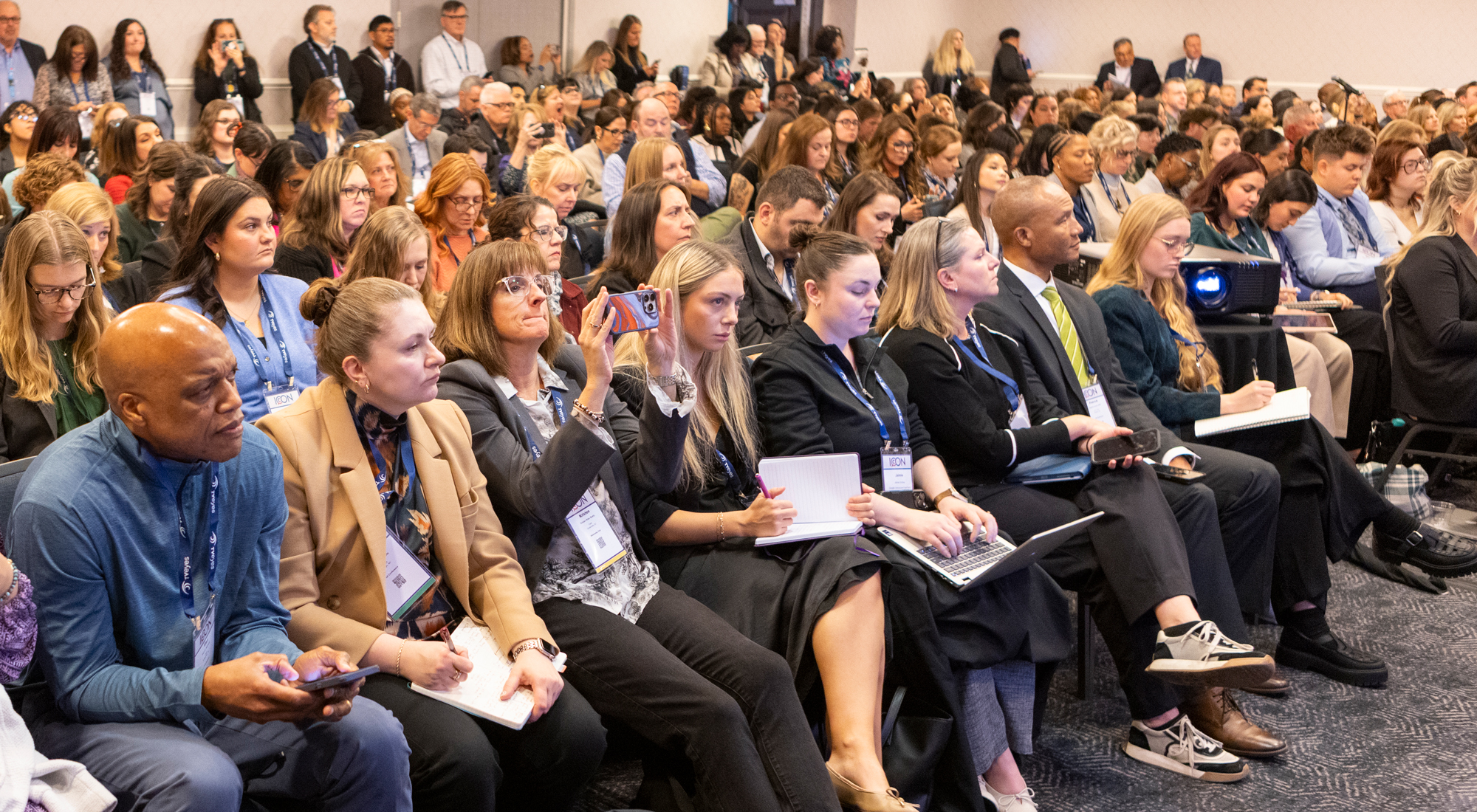
This October in Orlando, PRSA ICON will bring together professionals navigating that future from every corner of the communications profession.
If these conversations with Gaby Natale and Tyler Gillum are any indication, one message will resonate throughout the conference: The future won’t belong to those who follow the pattern. It will belong to those with the courage to create a new one.