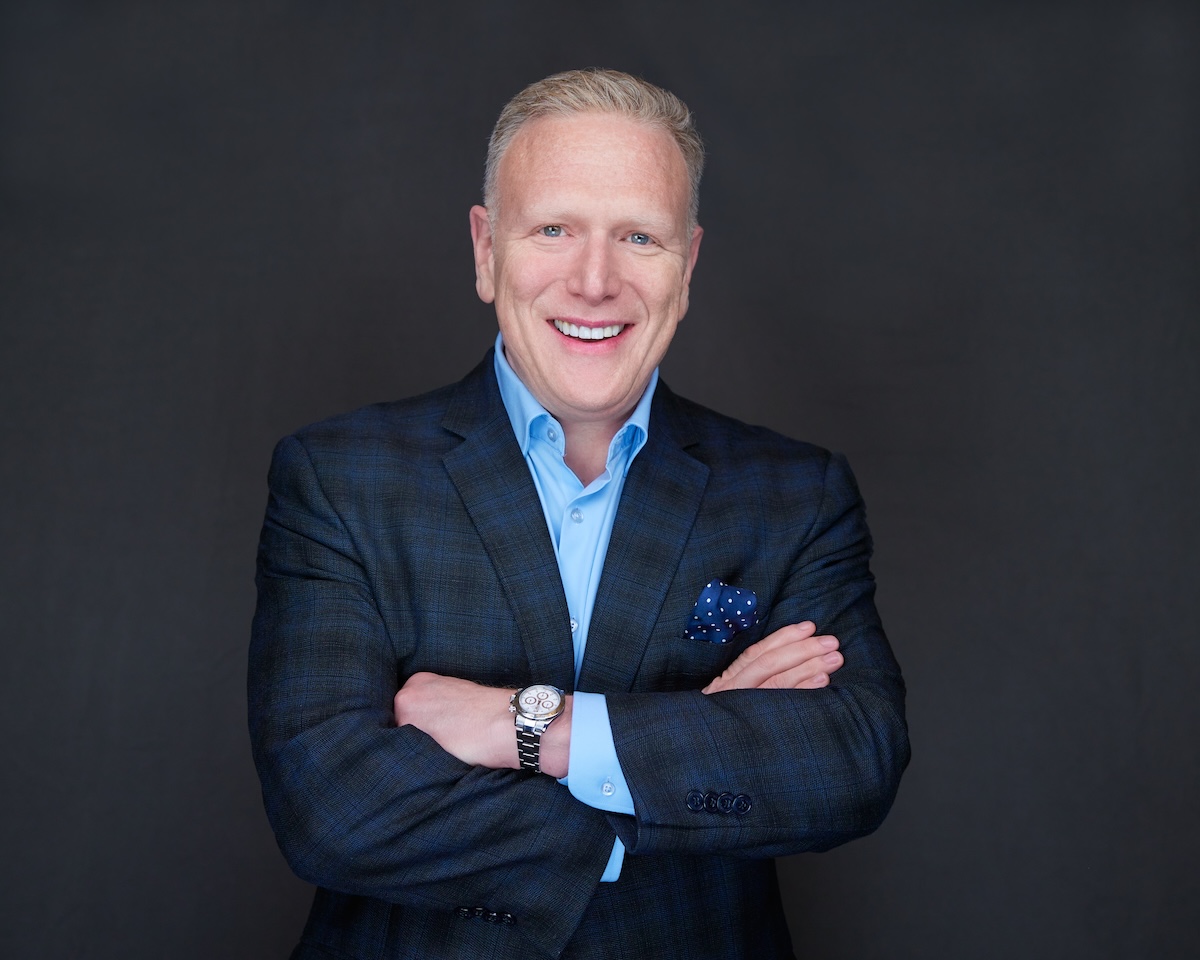




Jon Harris on Leading Through Uncertainty, AI and What Comes Next
By Ken Jacobs
November 2026
Leadership is often tested most when the path forward isn’t clear. For communications leaders, today’s uncertainty is compounded by rapid advances in AI, shifting workplace expectations, and the ongoing challenge of earning trust.
Jon Harris has spent decades navigating those kinds of moments — from corporate transformations and CEO transitions to crises and the pandemic. Now a CEO adviser, communications and reputation executive, and board director, Harris talked with me about leading through uncertainty, preparing communicators for an AI-shaped future, and why listening, curiosity, and even playing music can make someone a better leader.
For many inside and outside of public relations, we’re living in uncertain, even chaotic times. What are the most important things a leader can do to lead their teams in uncertain times?
I’ve spent a lot of my career navigating uncertainty: transformations, acquisitions, spin-offs, CEO transitions, crises, COVID and plenty of things none of us saw coming.
I’ve learned that people don’t expect leaders to have every answer. They do expect us to be honest with them.
When things are uncertain, communicate. Tell people what you know, what you don’t know and, whenever possible, what you’re doing about it. Don’t hide behind corporate speak. People see right through it.
Leaders need to bring some calm to the situation. Your team is watching you. You can acknowledge that something is difficult without making everyone more anxious.
Don’t forget the people doing the work. Check in with them. Listen. Be accessible. Have some fun when you can. I’ve always believed you can take the work very seriously without taking yourself too seriously.
Trust matters enormously in these moments. But you can’t suddenly manufacture trust when there’s a crisis. You earn it over time by being consistent, doing what you say you’re going to do and treating people well.
What should leaders do to lead their communications organizations, given the growing pervasiveness and complexity of AI?
First, don’t be afraid of it. Learn it and use it.
AI is going to change our profession. It already has. I use it, and I think communications leaders who aren’t experimenting with it are missing an enormous opportunity.
But I also think we need to remember what our jobs actually are.
AI can help us work faster. It can help with research, analysis, ideas and a lot of the work that used to consume hours of our day. That’s a good thing.
So give people permission to experiment with it, with appropriate guardrails. Learn together. Talk about what works and what doesn’t.
And then use the time it gives you back to become a better counselor and business leader.
What’s your counsel to PR/communications practitioners and managers who want to make the jump to true leadership?
Stop thinking of yourself only as a communications person. You are a business leader who knows communications.
Learn the business. Learn the industry. Really learn it. Understand how your company makes money. Read the earnings reports. Know what investors are asking about. Spend time with finance, sales, marketing and operations. Ask questions.
I’ve spent much of my career trying to prove that communications can be one of the most powerful business disciplines in a company. But nobody just hands you that role. You have to earn it each and every day.
Have a point of view. There will be times when everybody in the room seems to agree, and you don’t. If you’ve earned a seat at that table, speak up. That’s part of the job.
Leadership is also about other people. Hire really good people. Give them room. Let them get the credit. Help them become better than they were when they started working with you. That is how I have approached every role I’ve ever had.
And be decent to people. All people. Careers are long, and the world is surprisingly small. A bigger title can make you a bigger manager. It doesn’t necessarily make you a leader.
What’s your advice to recent college graduates about how to prepare for a future in PR/communications?
Be curious about everything.
Read the news. Understand business. Pay attention to politics, entertainment, sports and culture. Know what’s happening in the world. You can’t be a great communicator if communications is the only thing you know.
Absolutely learn AI. Play with it. Figure out what it’s good at and, just as importantly, what it isn’t good at.
But I’d spend just as much time developing the skills that aren’t technological.
Learn how to walk into a room and have a conversation. Listen. Write well. Ask good questions. Meet people. Build relationships. And every once in a while, pick up the phone instead of sending another text or email.
I wouldn’t obsess over mapping out your entire career either. I certainly didn’t. Take jobs where you’re going to learn. Work for people who will teach you something. Raise your hand for assignments that scare you a little.
You’re going to make mistakes. I’ve made plenty. Learn from them and move on.
And be nice to people. Not because they might be able to help you someday. Just because it’s the right thing to do always.
Your first job isn’t going to determine your career. Who you become along the way probably will.
Many people from outside the PR profession know you from your Facebook Basement (jam) Sessions. What have you learned about leadership from being a musician?
I probably learned more than I realized.
I started the Basement Sessions during COVID with my friend and guitarist Aaron Weistrop. It was literally two guys playing music in my basement. We started taking requests, people kept tuning in, and somehow we’ve now done more than 250 of them.
Music teaches you to listen.
You can’t just listen to yourself. You have to hear what the other person is doing. Sometimes you lead. Sometimes you follow. Sometimes you realize in the middle of a song that you’re both heading in completely different directions and one of you had better adjust pretty quickly.
That’s leadership too.
Music also taught me to keep going. You miss a note. You forget a lyric. I have certainly done both. Nobody dies. You laugh, recover and keep playing.
I’ve dealt with plenty of serious things during my career. The work matters. The decisions matter. People’s livelihoods can matter.
But that doesn’t mean we need to walk around acting serious every minute of the day. Sometimes you need to turn up the music.
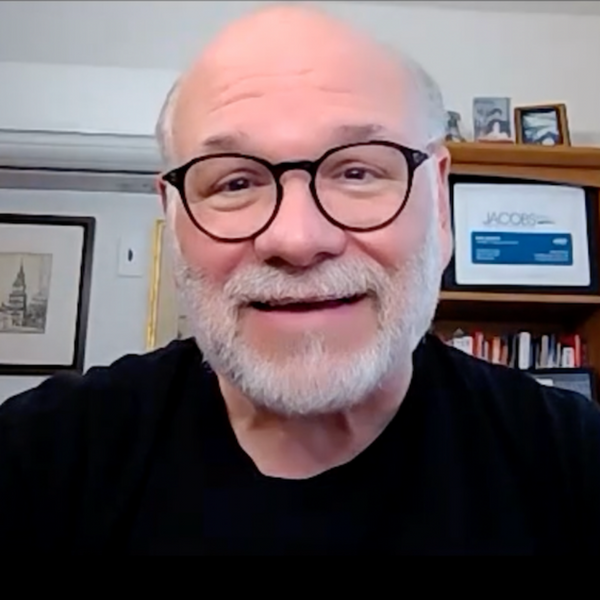
Ken Jacobs
Ken Jacobs is principal of Jacobs Consulting & Executive Coaching. Visit his website (www.jacobscomm.com) and contact him by email (ken@jacobscomm.com). He is a Professional Certified Coach (PCC).