



Teaching News Literacy to Build Trust
By Melissa Vela-Williamson, M.A., APR, Fellow PRSA
September 2026
I learned early in my career that making a positive impact on human behavior is best achieved by reaching adolescents before age 13. Research has shown that educating preteens while they are still forming their identities and before teen problems manifest is key.
In a time when “news” is pushed to consumers, AI-generated content is easy to distribute, clickable content rules the algorithms, and traditional news outlets are declining, the need for critical thinking about news consumption is imperative. We must champion information literacy, media education and ethics to leverage the opportunity to inspire generations of responsible digital citizens.
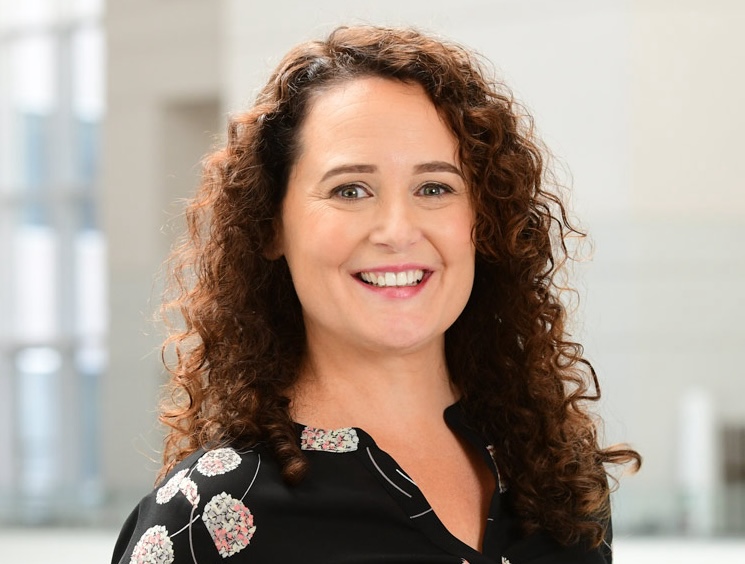
Darragh Worland shares her insights as senior vice president of creative, media and marketing at the News Literacy Project.
Your organization started in 2008 to help educators teach students how to tell fact from fiction. What age students have you taught, and which age group seems to gain the most from your training?
Our work focuses on helping middle and high school students learn how to make their own informed decisions based on credible information.
We focus on these “screenagers” because they’re beginning to form their information habits. News literacy gives them a solid foundation of critical thinking skills as they begin to make important decisions about all aspects of their lives.
How does NLP grow trust in its work?
As a nonpartisan organization operating in a deeply polarized time, we do that through our actions as much as our messaging.
It’s not enough to say we’re independent; we must demonstrate that by working with people from across the ideological spectrum and featuring examples in our resources that speak to different constituencies. We constantly ask for feedback from the people we serve, then listen and act when needed.
How are you all disrupting disinformation in these times?
Much of our work is rooted in “prebunking” — teaching people how to spot common trends and tactics used to spread falsehoods. Then people can apply these skills to any kind of claim they encounter, no matter how the information landscape evolves because of AI or other changes.
Many times, PR pros are the educators of news literacy and interpreters of news sentiment in the workplace. Which of NLP’s resources could help us?
It’s important to examine how our own biases impact how we interpret news and other information. We all lean into information that reinforces our entrenched beliefs. Being challenged by information that contradicts those beliefs can be uncomfortable. It’s important to keep an open mind.
Our resources on confirmation bias and motivated reasoning explain how to recognize blind spots and work against them. One powerful tip is to just slow down. Misinformation thrives on provoking us into acting on strong emotions.
Given that so many adults are falling for mis- or disinformation, how can PR pros support society’s need to think critically about what they consume without advancing more conspiracy theories?
Support news literacy efforts. Trust in the press is at all-time lows. News avoidance is at all-time highs. Journalism is in a fight for its life. Communications professionals are losing the credible sources of information that help spread the word and build trust in our communities.
News literacy is the antidote. Research shows that students who learn news and media literacy are more likely to engage with the news, have higher trust in journalism and are more likely to be civically engaged in ways like pushing back against misinformation.
Anything you wish PR pros knew about your viewpoint of trust and ethics?
Sometimes the mis- and disinformation problem feels too big to solve. It’s important not to fall into cynicism. We know news literacy education works.
Like Kaelynn Curran, an eighth grader from New Hampshire, told us in 2025: “Check the facts. If it sounds bizarre, fact-check it. If it sounds real, fact-check it. No matter what, fact-check it. But also, don’t immediately be a hundred percent skeptical that it’s not real.”
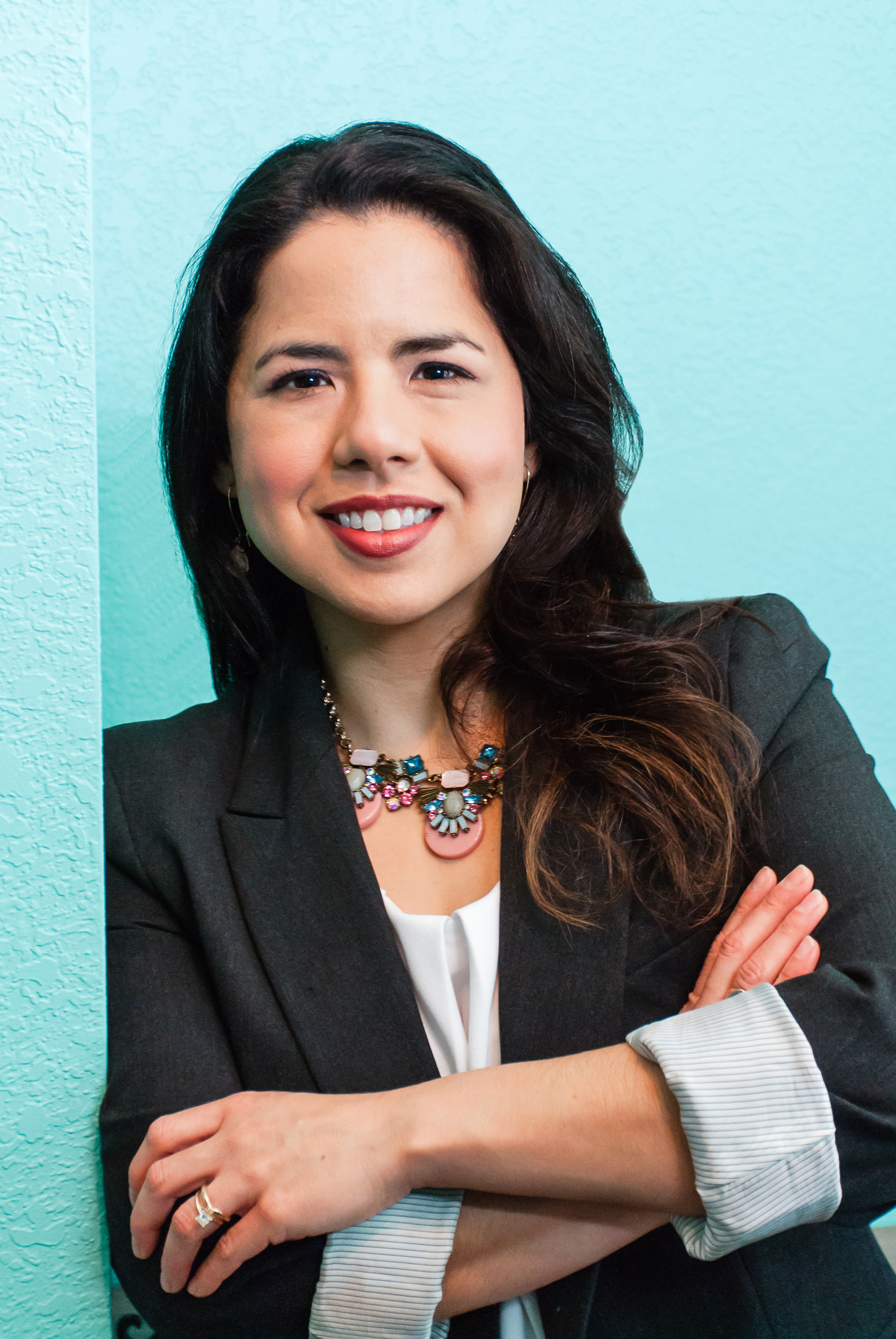
Melissa Vela-Williamson, M.A., APR, Fellow PRSA
Melissa Vela-Williamson, APR, Fellow PRSA, specializes in integrating public relations with cultural strategy and compassion principles. She is an industry author, podcast host, and boutique firm owner. Connect with her at MVW Communications.