



Telling Historic Firsts Without Losing the Human Story
By Andrea Jackson Williams
November-December 2026
When an organization reaches a historic first, communicators usually know where to begin. The milestone gives us a headline, a reason to reach out to journalists and a clear way to explain why people should pay attention.
What takes more thought is how we describe the people involved, particularly when the language of progress starts to overshadow their individual experiences.
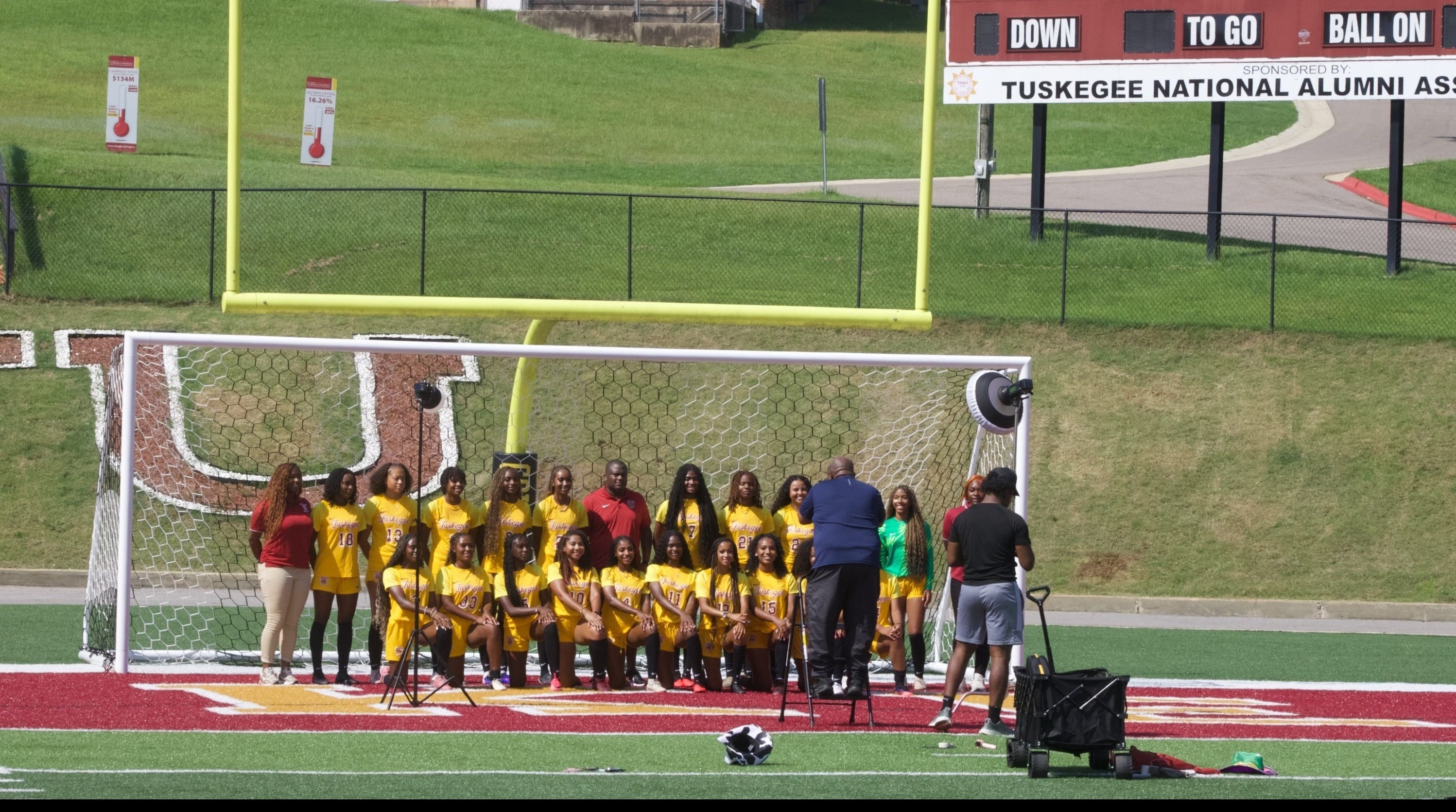
I have been thinking about this while leading strategic communications and publicity for “Unveiling History,” a documentary following Tuskegee University’s inaugural NCAA men’s and women’s soccer programs. The inaugural season is an important part of the story, but describing every athlete as a history maker tells us relatively little about who they are.
They are college students choosing a university, finding their place on a team and making decisions about their futures. They have families, hometowns and reasons for pursuing soccer that began long before this season. Their participation in a historic moment adds to those identities without replacing them.
My communications work is on behalf of the documentary, which means I also have to be clear about whose story I am telling and the perspective from which I am telling it. I can help audiences understand the project and connect journalists with people involved, but I cannot assume that my interpretation of the milestone is how every athlete experiences it.
That responsibility connects with the questions I bring to my work in research and organizational communications: What is true, what context do people need, and how should that understanding affect what we do? I think of this as Truth, Context and Action, and it has become a useful way to examine stories about historic firsts.
Truth: Be precise, and leave room to learn
Before we celebrate a first, we need to establish exactly what happened. A first for an institution is different from a first within a division or an entire profession, and the language should make that distinction clear wherever the claim appears.
We also need to separate what happened from what we believe it means. An organization may see a milestone as evidence of growth, while a participant may be thinking about the work ahead, the pressure to succeed or whether they will feel at home. Those experiences do not have to compete, but we will miss them if our questions only invite people to repeat the announcement.
With Tuskegee soccer, our “Road to Abbott” storytelling invited player submissions and family perspectives. That created room for people to contribute to the account of how they arrived at this season, instead of having the communications team supply the entire explanation.
The questions matter because they shape what people have an opportunity to tell us. Asking why someone chose an institution or what they want others to understand about their journey opens a different conversation from asking only how it feels to make history.
Some people may embrace that description, while others may want to talk about being an athlete, pursuing a degree or getting better at their sport. We should listen closely enough to hear the difference and let it affect the story.
Context: Help audiences understand without deciding what people represent
Context gives a milestone meaning, but it can also become a script if we decide in advance what every participant symbolizes.
Tuskegee’s history and institutional identity are essential to understanding this season. So are the experiences of the students and the people helping build the programs. The challenge is to explain those connections while allowing each person’s perspective to remain their own.
A parent can describe what it means to watch a child enter this chapter, and a coach can explain the responsibility of building a program. Both add valuable information, but neither can tell us everything about what the athlete thinks or wants. Hearing from several people should broaden our understanding rather than give us several versions of the same message.
The same principle applies beyond sports. This is especially important in stories about representation. When someone becomes an organization’s first leader from an underrepresented group, that identity may be part of what makes the appointment significant. Their expertise, judgment and ambitions also deserve attention, including the work they hope to accomplish once the announcement is over.
I am mindful of how quickly recognition can turn into an expectation. A person who accepts a role may suddenly be asked to explain an organization’s progress, speak for a community and offer reassurance about its future, even though they were hired to do a particular job.
Our communications should also be honest about what the milestone establishes. An appointment tells us who has been selected, but it does not answer every question about the organization’s culture or the support that person will receive. We can celebrate an achievement while being careful about the larger conclusions we attach to it.
Action: Make choices that respect the people in the story
These questions become practical when we decide whom to interview, which quotations to use and what to emphasize.
I find it helpful to look at who gets to explain the story. Participants may appear throughout a campaign’s photographs while institutional leaders provide nearly all the interpretation. If we want audiences to understand the people involved, we need to give those people space to speak about their own experiences.
That space should come with a choice. In outreach to the women’s team about deeper player stories, I emphasized voluntary participation because an invitation to share should leave room for someone to decline. Interest in a person’s story does not mean every part of it is available for publication.
We should bring the same care to words such as resilience, gratitude and responsibility. Before using them, ask whether the person expressed that feeling or whether we supplied it because it fits the story we expected. Recognition should not depend on someone performing the response we want.
When I review communications about a historic first, I want to know whether a reader will come away understanding more about the person, including their choices and their work. I also want to know whether that person would recognize themselves in what we published.
The headline may begin with the milestone, but the care we take with the people determines whether we have told the story well.

Andrea Jackson Williams
Andrea Jackson Williams is a communications strategist, researcher and storyteller whose work explores the intersection of culture, leadership and narrative. She leads communications and public relations for “Unveiling History,” a documentary project chronicling the inaugural NCAA men’s and women’s soccer seasons at Tuskegee University, and serves as director of strategy, communications & research for the Diversity Action Alliance.