



The T-Shaped Advantage in Public Relations
By Amy Shanler
August 2026
My first post-college job was in public relations for a conference company. While media relations was part of my role, I also placed advertisements, proofread marketing materials, and created the company’s first conference newspaper (called a show daily).
Two years later, I moved to a high-tech public relations firm where I honed my skills in media and analyst relations, client communication, and thought leadership. From there, it was back to in-house roles where I was the go-to expert because of my depth of knowledge and credibility – the classic “I” shaped professional.
I also carried forward my early professional foundations in integrated communication. This was my differentiator. As I evolved in my career, my value stemmed from a broader understanding of how and where my work connected to other communication and marketing functions. That combination of deep expertise with a broader view of integrated communication is what defines a “T-shaped” professional.
‘T’ stands for more than team.
Yes, public relations is a team sport. But as professionals seek to advance their careers, they need the other “T.”
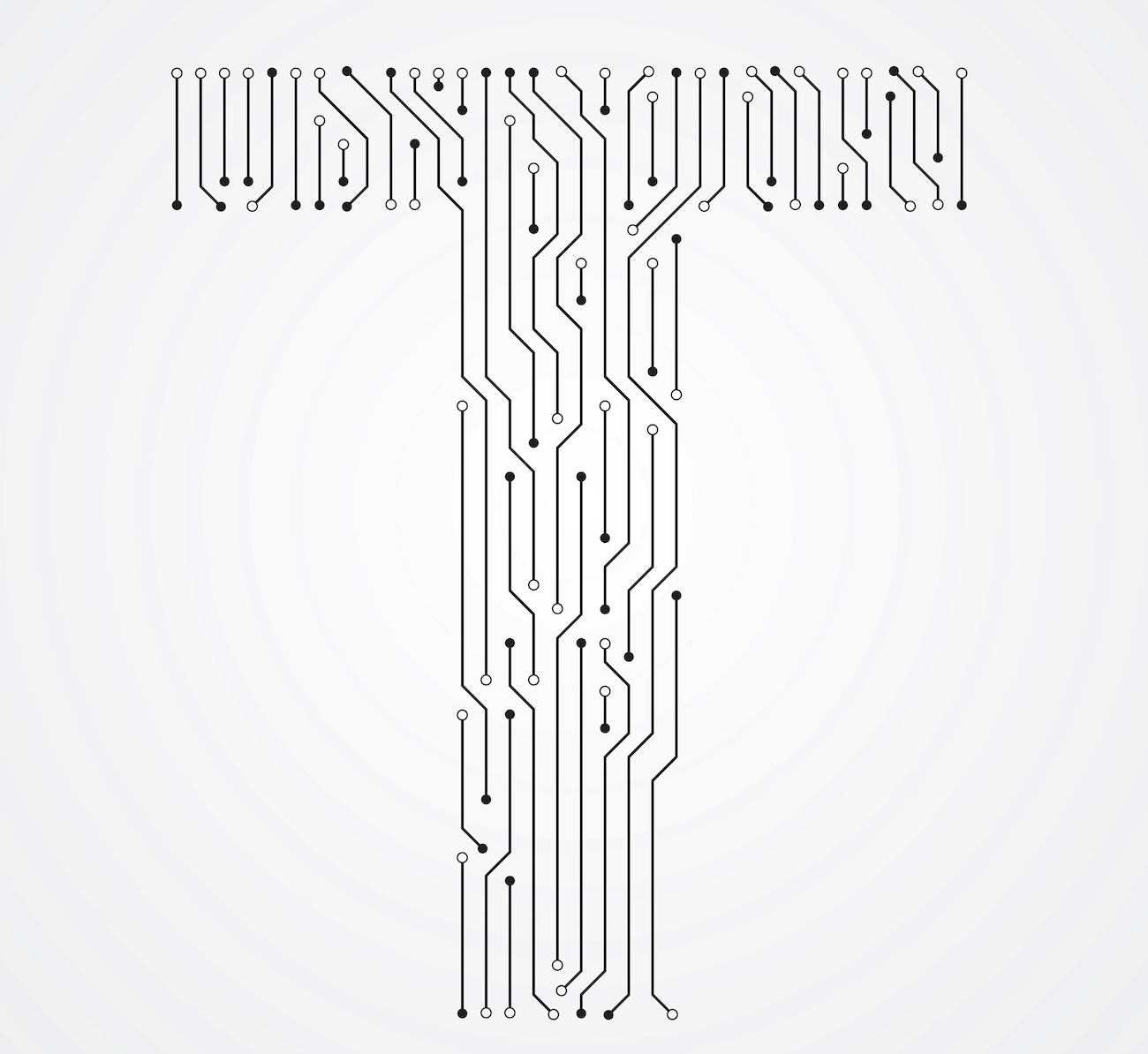
T-shaped professionals combine deep expertise in one area with a broad working knowledge across related disciplines. The job site company Indeed says the vertical bar of the “T” represents subject-matter expertise, while the horizontal bar reflects the ability to collaborate across functions and understand how different roles contribute to shared outcomes.
In public relations, the horizontal bar may include paid media, social and influencer strategy, content development, analytics, and other stakeholder-facing functions such as internal, shareholder, and government/public affairs communications.
Achieving the “T” does not mean becoming an expert in everything, however. It’s about understanding enough to collaborate effectively and make more informed decisions.
“In my work today, I’m constantly navigating the intersection between strategy, storytelling, measurement, engaging stakeholders/C-suite and the fast-moving changes around AI,” says Monique Derico, senior manager, Creators for Good at Ad Council. “Having a broader understanding beyond my core area of expertise is essential for successful campaigns.”
T-shaped skills matter in integrated communications
Analysis of T-shaped skills by the talent acquisition company WhiteCrow showed that organizations increasingly value professionals who can bridge disciplines because business challenges rarely fall neatly into one function. The same is true in public relations.
Campaigns today operate across the PESO Model® where earned media is just one piece of a larger ecosystem. A strong media placement may generate awareness, but without alignment across channels, its impact is limited.
According to Impact-Hire, a recruitment company, T-shaped professionals are better equipped to connect efforts across teams, ensuring that messaging, timing, and execution work together rather than in silos. In practice, that means anticipating how audiences will encounter content across platforms and contributing to strategy conversations beyond your role. Without that broader view, even strong work can fall short.
From specialist to strategic leader
PR professionals seeking to advance their careers need to embrace the T-shaped expertise. Recruitment company Focus People says organizations are increasingly hiring and promoting individuals who can operate across functions.
At the mid-to-senior level, roles expand. Professionals are expected to oversee teams, guide strategy, and make decisions that affect multiple disciplines, even multiple business units. We can’t be successful if we don’t understand what success looks like, what questions to ask, and how different pieces fit together.
“You can’t lead a team you don’t understand. The PR pros who get stuck mid-career are almost always the ones who stayed deep in their own lane, when leadership requires you to see across all of them,” says Gini Dietrich, creator of the PESO Model. “You don’t need to be an expert in paid, analytics, or content strategy — you need to know enough to make decisions that connect them.”
While organizations value I-shaped professionals for execution, those same organizations value T-shaped professionals for their strategic perspective.
When breadth is missing
When professionals remain narrowly focused, the challenges are not always obvious, but they are significant. According to the human resources consultancy PXO Culture, organizations that lack cross-functional understanding often struggle with collaboration and alignment, leading to fragmented execution.
In public relations, this can look like:
- Campaigns developed in isolation rather than as part of an integrated strategy
- Misalignment between earned, paid and shared efforts
- Missed opportunities for amplification and engagement
- Market confusion and missed communication outcomes
A media placement without a plan for amplification may underperform. Messaging that is not aligned across channels can create confusion rather than clarity. A fantastic customer testimonial that hides on a website limits revenue potential. With breadth, professionals can create connections among communication functions to help prevent these breakdowns.
How to build T-shaped skills
Good news. You already have the base of the “T” with your “I” expertise (well done!). However, you need to expand how you engage with those who work around you.
According to Impact-Hire and WhiteCrow, building T-shaped skills is often about intentional exposure and continuous learning rather than formal retraining. Here are some practical ways to start:
- Learn the language of adjacent functions — if you are unsure what GEO means or why multivariate studies are important, conduct some research.
- Uncover how other teams define success — just because public relations focuses on communication outcomes doesn’t mean we shouldn’t understand what a CPM is or how our outcomes relate to Net Promoter Scores.
- Seek cross-functional exposure — ask to participate in integrated campaigns or planning discussions.
- Ask broader questions to shift your thinking — see if you can answer how you could leverage your earned media in other ways or address how your speaking opportunity can help drive broader business objectives.
- Explore continuing education — from one-off webinars to online master’s degree programs, you can find the right approach for your learning style and schedule.
Integration is the future.
The concept of the ideal professional skill set continues to evolve. According to Human Capital Leadership Review, organizations are beginning to explore more complex models, such as “V-shaped” or “M-shaped” talent, which reflect deeper expertise across multiple areas. While it may seem like alphabet soup, these models point to the same idea – as public relations professionals, we need to maintain our depth while expanding awareness.
Integration is the present and the future for our day-to-day activities and long-term career management. Looking ahead, communications will only become more interconnected and expectations for integration will increase. Professionals who can connect the dots, not just execute within them, will be better positioned for success.
Sure, depth will always matter because it provides a solid foundation for communication competency. Breadth, however, is what will allow public relations professionals to grow from contributing great work to leading it.
The PESO Model is a registered trademark of Spin Sucks.

Amy Shanler
Amy Shanler is a professor of the practice of public relations at Boston University College of Communication. She brings knowledge gained from her 30+-year career into the classroom to teach students about strategic communication, crisis communication, media relations and contemporary public relations.