




Bridging the Gap Between Comms Education and Practice
By Amitabh Verma and Kate LaVail, Ph.D.
September 2026
Although the professional and academic worlds are interlinked and interdependent, they also have their own goals, cultures and priorities.
While universities prepare future professionals with disciplinary knowledge, companies find workable solutions for real-life problems. Professors and researchers think about the big picture, discuss theory and explore what-if hypotheticals; practitioners contribute to the profession’s growth through application and empirical testing.
Ideally, the two systems should be counterparts in sync with each other. But their differences invariably lead to a disconnect, because of which:
- Innovative scholarly research can become confined within academia’s walls, either not reaching practitioners at all, or not in a timely manner. This prevents its use by practitioners, who could invest it with needed real-world context.
- It becomes harder for practitioners to share their acquired wisdom and field knowledge with students. Access to this know-how would facilitate not only their learning, but also future performance as employees.
Closing this gap is critical for the profession’s integrity, health and growth. Greater harmony between the systems will help students excel as professionals and teach them how to navigate the profession effectively.
As better-prepared, well-rounded professionals, their contributions would continuously strengthen and enrich the profession.
In this article we interpret this issue in the context of communications, and outline discipline-specific educational priorities.
Our motivations and perspectives
The disconnect emerged as a mutual concern in conversations during our ongoing collaboration in crisis communication. As practitioner-academics, we recognize the benefits of greater integration of the theoretical and applied fields.
Our views draw on our shared expertise in communications, analytics and visual design, along with our collective knowledge of several client-oriented professions, including health, risk and crisis communication; global intelligence functions; visual-graphic design, urban design and architecture.
Creating synergistic exchange
Our analysis takes a dual-scale approach, addressing both big-picture and small-picture concepts. Incorporating both technical competencies and larger mission objectives, we suggest measures of success, from low-stakes, short-term interactions to more intensive, sustained engagement, to be mobilized as needed.
Affirming Philosophical & Theoretical Values
- Disciplinary Ideals. Abstract concepts such as professionalism, integrity and diligence must be made real for students. This is best done through in-person dialogue with practitioners who can speak to incorporating them in their own practice.
- Leadership. Discussions with professionals on being thought leaders, and not just employees, help students understand that they have a part in a larger mission. This is critical for them to recognize their own agency and vision. Once aware, they will then be able to dream big, think big and act big.
- Human aspect. Ultimately, communication is all about connecting with people – by informing, educating, motivating and reassuring. It is easy to lose sight of this fact, so it’s important to stress that human connections underlie all that we do.
- Innovation and Adaptability. Success in communications requires reacting to emerging developments and trends. Today’s rapid pace of sociocultural change makes staying current challenging yet is vital for anticipating next developments and preparing accordingly. This also applies to technology. Training students on tools current in the profession is essential for maximal performance.
- Relevance and Topicality. Coursework should prioritize outcomes and result-driven methods. At the end of the day, practitioners want to know that if they adopt something from academics, it will make a positive difference — help them do their job better, faster, with greater impact. Course content that responds to their needs and priorities best positions students to focus on impact as both a short- and long-term objective. Well-positioned, theory and methodology offer ways to optimize efforts, more consistently driving positive results beyond gut instinct and best guesses.
Nurturing Practical & Applied Skills
- Establishing professional/executive education programs. Continuing Education courses can actively support integration of academic insights into work. They can also become pipelines for dual-direction idea flows and partnership incubators. For employers seeking the best from their employees, such educational opportunities would be both a workplace benefit and optimal opportunity to ensure they are getting the best from their employees and profession.
- Coalescing standards of practice across the communities. Consistency can be ensured by the adoption and use of the Barcelona Principles (AMEC) within academic institutions. Establishing and embracing shared principles of practice provides measures of success that resonate across the profession, workforce and industry.
- Researching pain points identified by practitioners. By shaping research agendas to accommodate issues identified as pertinent by practitioners, academics can become effective partners in growing the profession’s performance. Eliminating functional roadblocks will make research accurate and informed, leading to the most impactful and relevant findings.
- Increasing practitioner-taught courses. Learning directly from active practitioners is an invaluable complement to traditional courses. The comprehensive knowledge acquired situates academic education in an applied context, which is absolutely crucial for future professionals.
- Professional methodology and evaluation criteria informed by rigorous scholarly research. When applied well, theory should expedite outcomes. Likewise, valid and reliable methods sidestep the frequent shortfalls of vanity metrics and lead to meaningful, actionable insights.
- Encouraging hybridized career paths, incorporating both academic scholarship and professional experience. Cross-pollination of experiences from the realities of applied work and the rigors of scholarship benefit everyone. Practitioners are sharper for a deep understanding of research, scholars develop a better understanding of the field, and students are best prepared for their future, be it in practice or academics.
- Establishing Student Mentorship programs. Formally organized interactions, such as Shadow Day, when students visit firms, allow valuable insights into workplace culture, future expectations, and how their education and skills will be applied. Internships allow similar exposure and education, illustrating how they are, and will continue to be, highly valued as part of a young professional’s résumé.
A richer, more rewarding partnership
Aligning practice and academia is critical in communications. Its potential social impact — in both breadth and depth — makes optimization a necessity.
Beyond these recommendations, the field will benefit from greater synergy between practice and scholarship, such as organizations and conferences encouraging intermingling, as well as publications evolving their content to elevate a mix of voices from the agency desk to the ivory tower.
It only makes sense that practitioners become partners in education, mentors, and facilitators who can help students become future visionaries and thought leaders, well positioned to confront the challenges of tomorrow.
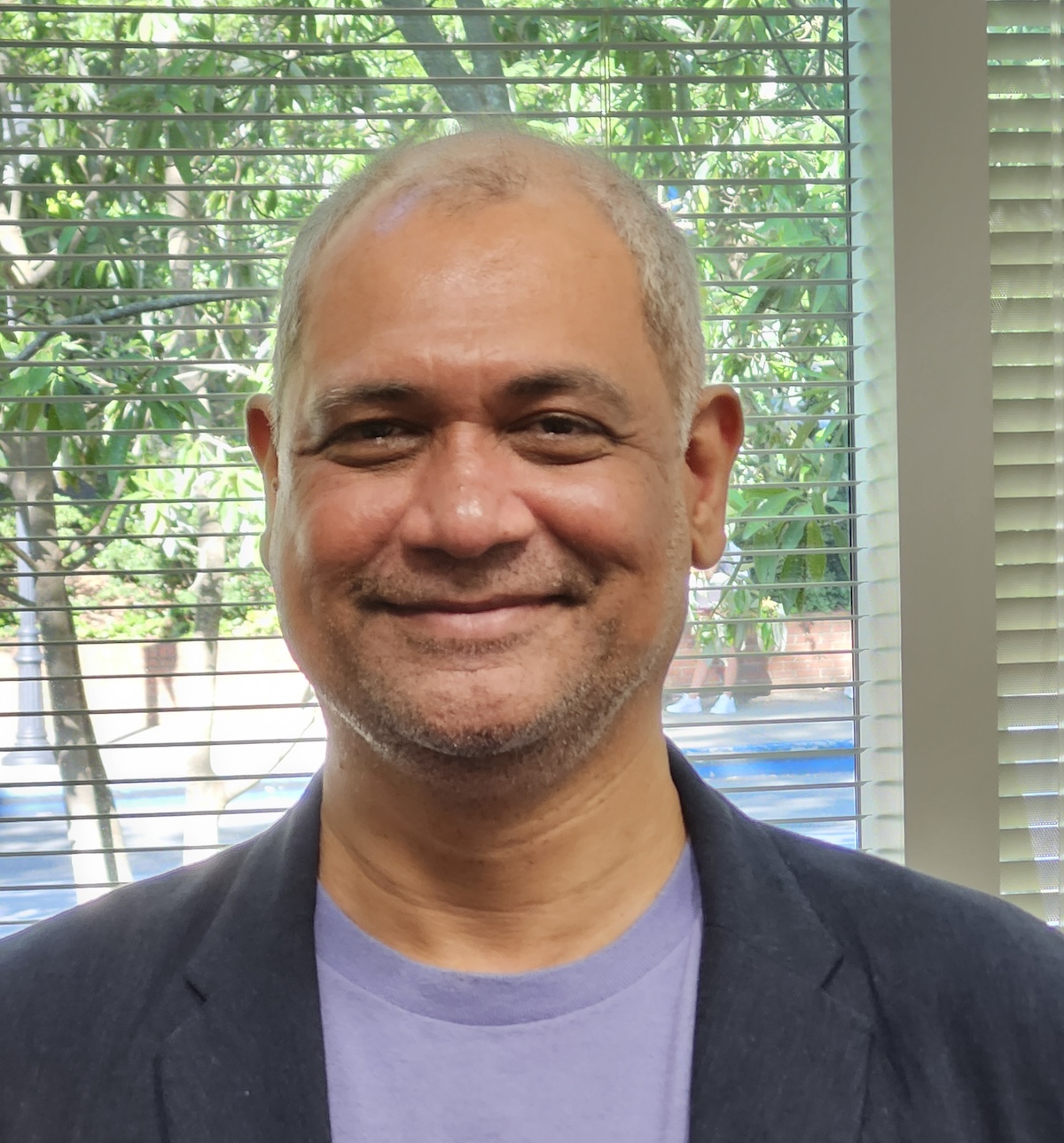
Amitabh Verma
Amitabh Verma is a professor at the University of Georgia, specializing in visual-graphic communication, urban design and architecture. He has taught full-time since 2006, prior to which he was in practice for 13 years. His current research examines strategies to improve crisis and risk communication efficacy.
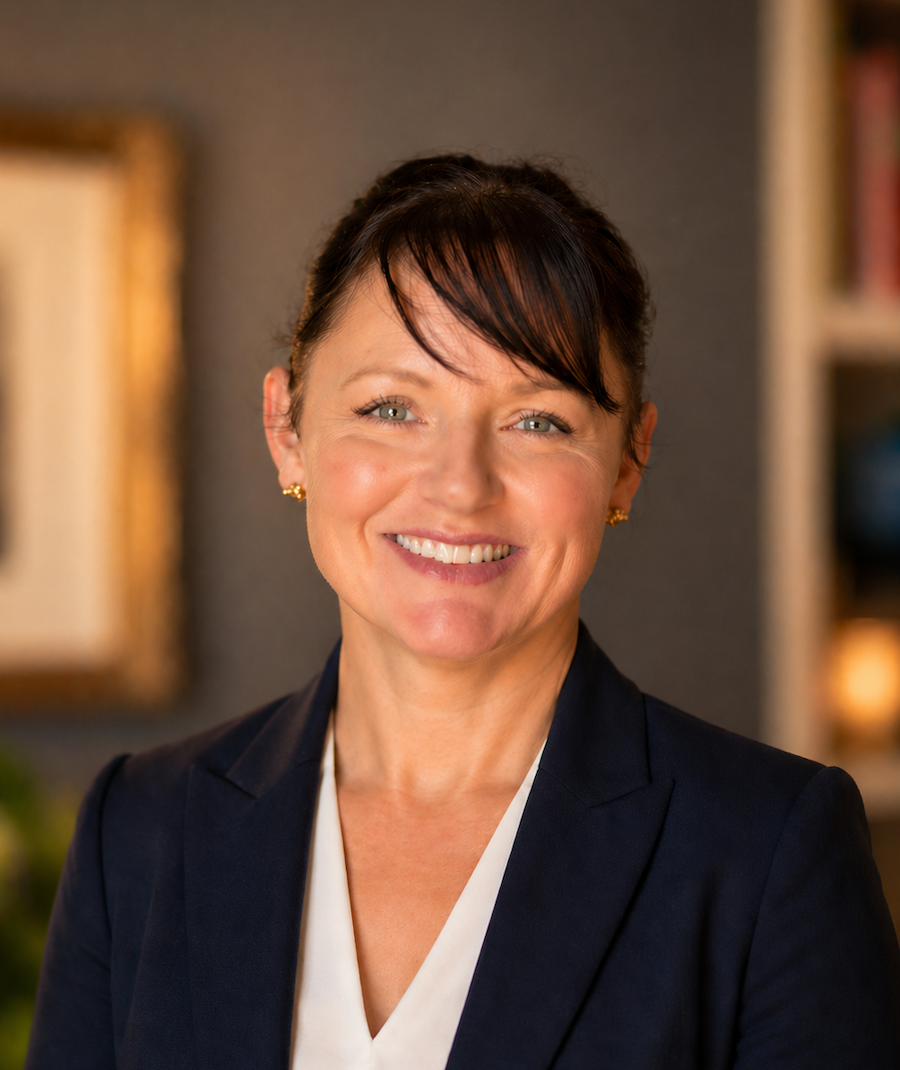
Kate LaVail, Ph.D.
Kate LaVail, Ph.D., is general manager of the PR, communications, and media segment at LexisNexis. She has previously led intelligence, analytics, and research teams for the Centers for Disease Control, McDonald’s, Ketchum, and Hill+Knowlton Strategies. She is an active member of the Crisis Communications Think Tank and proud mentor to students from the Grady School of Journalism at the University of Georgia.