




Building a Circadian Team
By Mark Mohammadpour, APR, Fellow PRSA
May 2026
In college, I spent 30 minutes commuting to campus. When I arrived at a 9 a.m. class, I was awake hours before my classmates, who rolled out of bed before taking the two-minute walk from the dorm. I was the energetic student among a group who wished they were still in bed.
We have similar experiences in the professional world. Some team members have high energy and working on big picture plans at 9 a.m., while others reserve their energy for after dinner.
It’s time we ask our teams how they best work and adjust accordingly. According to Dr. Michael Breus’ research, we fit into one of four profiles.
- Lions: These are early-morning enthusiasts. They are up bright and early to send out the 6 a.m. pitches, but by 4 p.m., they are ready for home (this was me when I started my career!).
- Bears: They are the team’s engine, ensuring everything flows smoothly. They follow the sun, peaking between 10 a.m. and 2 p.m.
- Wolves: These are your night owls. They are not awake for an 8:30 a.m. stand-up meeting, but they will be poring over a creative brief at 8:30 p.m.
- Dolphins: These are wired and tired specialists, ready to handle crises but prone to burnout.
Learning about how your team operates and what you need is a winning formula. In a Circadian Team, we can ensure the team is “on” throughout the day without a single person working more than eight hours.
Real data supports this idea. A February 2026 study by the Sleep Foundation found that firms using chronotype-adjusted scheduling saw a 22% increase in billable efficiency and a 31% spike in creative output.
How do you implement a Circadian Team approach?
- Conduct a chronotype audit: Use the quiz below to understand your team’s biology.
- Establish “golden windows”: Create morning no-meeting zones for Lions to work and afternoon no-meeting zones for Wolves to work.
- Share with your clients/in-house teams: Clients care about great work and customer service. Position your approach to provide great service while reducing team burnout.
Leadership today is no longer about bragging about how long you’ve been in the office, but about ensuring your team has the energy to be the best partners for your clients. The Circadian Team approach is one way to do so.
Which “Team Animal” Are You?
Answer these four questions to find your biological peak.
Your alarm goes off at 6:30 a.m. What’s your first move?
A. I’m already awake, halfway through my first coffee, and working through my to-do list.
B. I hit snooze once, but I’m functional by the time I reach the shower.
C. I feel like I’m being summoned. I need 45 minutes of silence.
D. I’ve been awake since 4 a.m. worrying about that client crisis. Does that count?
It’s 3 p.m. A high-stakes meeting just started. How’s your brain feeling?
A. Fading. I’m thinking about what’s for dinner and how soon I can go to bed.
B. I’m hit-or-miss. If I’ve had a heavy lunch, I’m just nodding along.
C. I’m just hitting my stride! This is the most creative I’ve felt all day.
D. I’m alert, but I’m probably overthinking every single detail.
When is your “Golden Hour” for writing a plan?
A. 8-11 a.m.
B. 10 a.m.-2 p.m.
C. 6-10 p.m.
D. It’s random.
How do you handle a midnight “Crisis Text”?
A. I don’t. My phone has been on do not disturb since 8 p.m.
B. I might see it if I’m scrolling, but I’d prefer to wait until morning.
C. I’m wide awake and happy to dive in.
D. I’m already awake, staring at the ceiling, so I might as well fix it.
Key:
- Mostly As: The Lion. You are the team’s “Early Warning System.” You own the morning news cycle, but don’t schedule a 5 p.m. brainstorm as you’ll be making dinner.
- Mostly Bs: The Bear. You are the “Team Engine.” You are most productive when the sun is out. You thrive on the traditional 9-to-5 but often experience the 3 p.m. slump.
- Mostly Cs: The Wolf. You are the “Creative Closer.” You’re slow to start, but you’re sharpest in the afternoon and evening.
- Mostly Ds: The Dolphin. You are the “High-Alert Specialist.” You’re wired for detail and crisis, but prone to burnout.
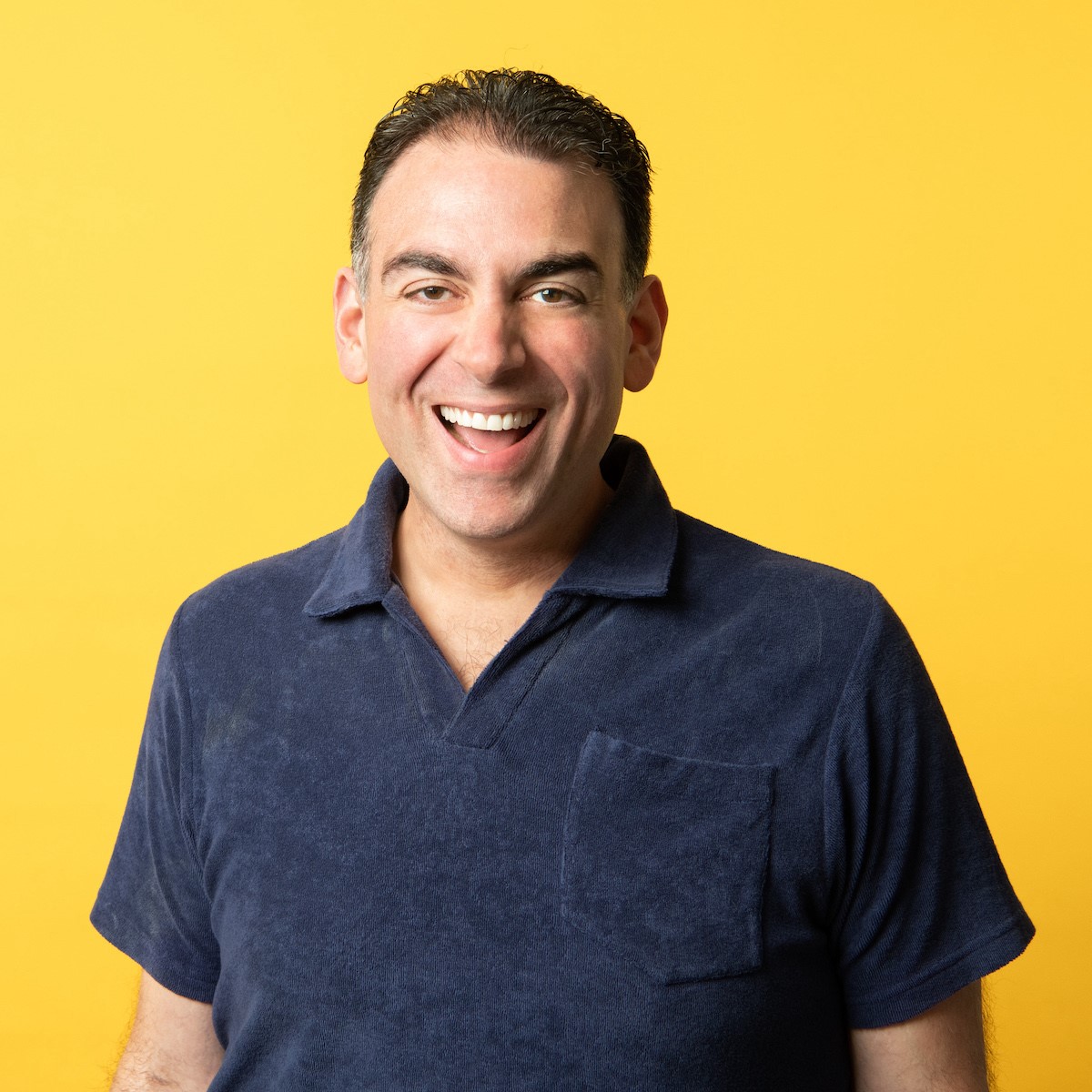
Mark Mohammadpour, APR, Fellow PRSA
Mark Mohammadpour, APR, Fellow PRSA, is a keynote speaker on communication, employee culture, and well-being. His company, Chasing the Sun, empowers PR professionals to shine in the family room and the board room. Before launching Chasing the Sun, Mark was an executive at Weber Shandwick and Edelman, leading award-winning campaigns for Adobe, Microsoft, Samsung, and the U.S. Army. Visit chasingthesunpdx.com or email Mark at mark@chasingthesunpdx.com.