



Choosing Your Career KPIs for What’s Next
By Cheryl Procter-Rogers, APR, Fellow PRSA
April 2026
Join Cheryl Procter-Rogers, APR, Fellow PRSA, on the next Strategies & Tactics Live. Tune in on LinkedIn on April 23 at 1 p.m. ET.
Are you ready now?
In a previous article, I introduced my Four C framework for career agility. This is a reminder that a well-designed career path is rooted in your values, aligned with your passions, strengthened by your personal cabinet, and elevated by continually building your capabilities. I’m going to assume you’ve begun that work.
For this issue, I want to create a sense of urgency for those just starting out, those growing through their careers, those who have been displaced, and those nearing the end of one chapter and the beginning of the next.
Consider this a wake-up call if you are still on the sidelines waiting to see what unfolds rather than actively shaping what comes next.
Here’s what the research tells us:
- Most executives don’t fall short because they lack technical expertise. They struggle because of gaps in their leadership capabilities. Expertise may open doors, but sustained influence comes from continuously expanding that expertise beyond the core skills that got you in the room in the first place.
- Executives are far more likely to derail because of challenges related to interpersonal effectiveness, strategic thinking, and the ability to read the room and adapt, according to the Center for Creative Leadership
- Only a small percentage of leaders are seen as strong strategic thinkers. Let that sink in.
- Only about one in 10 leaders demonstrate strong strategic thinking capability, a global leadership study by Development Dimensions International (DDI) found. This is a striking reminder that advancement requires more than functional excellence.
- The good news? Communication remains one of the most in-demand leadership capabilities. In our profession, we are trained to be excellent communicators, which means many of us are already part of the way there.
LinkedIn’s Global Talent Trends consistently ranks communication, adaptability, and strategic thinking among the most critical skills for navigating today’s workplace. Our opportunity and responsibility is to build on that strength by expanding our perspective, deepening our strategic thinking, and connecting our expertise to organizational outcomes.
The question isn’t whether expertise matters. It absolutely does. A better question is whether you are balancing expertise with the broader capabilities required to lead and influence at higher levels. Leadership isn’t only about title. Many professionals create meaningful impact without formal authority.
Balancing expertise with capabilities
So how do you continue expanding your expertise while strengthening the broader capabilities that elevate your impact?
- Stay current on trends in your discipline and industry. Read trade and business journals and books, follow relevant media, and listen to podcasts that expand your understanding of the broader landscape. Attend conferences and workshops not just to learn, but to understand how your field or discipline is evolving.
- Create an investment fund for your own development. Consider certifications, advanced education, or specialized learning experiences. Lean on your personal cabinet to help you decide how to invest those resources each year.
- Move beyond sharing what you know to explaining why it matters. For example, instead of saying, “There are five steps in the product rollout process,” a more strategic statement might be, “If we accelerate steps two and three, we can reduce time to market and improve competitive positioning.” Connecting expertise to outcomes elevates your contribution.
- Work across the organization. Do this to understand how your expertise can support opportunities, reduce pain points, and advance strategic priorities. Build relationships with colleagues in finance, legal, operations, and other key functions to broaden your understanding and perspective.
Indicators you are building capabilities
As you begin to expand your expertise and perspective, the shift often shows up before you fully recognize it yourself. The way others engage with you changes. You’re invited into different conversations, asked different questions, and relied upon in new ways.
These are often the earliest indicators that you are building capabilities and closing the gap between expertise and broader leadership impact without any change in title or formal authority.
One of the clearest signals is when you are invited into conversations not just for your expertise, but for your perspective. You are asked to connect dots, interpret implications, and encourage deeper thinking. Over time, you become known as a valued thought partner.
That reputation doesn’t happen by accident. It comes from investing in conversations, listening deeply, and developing a broader understanding of the organizational landscape. It also comes from being willing to ask provocative questions that help others see issues from new angles and often prompting responses like, “I hadn’t thought of that.”
Peers begin to assess your strategic thinking through your ability to synthesize information, offer clear insights, and frame choices rather than simply provide answers.
Strengthening your strategic thinking muscle
The brain is an organ, but it functions like a muscle. Like going to the gym regularly, it strengthens with intentional use. Developing strategic thinking requires a shift in mindset and in how you observe the world around you.
You listen differently. You look for patterns, connections, and second-order implications. Your perspective brings clarity to complexity and helps others think more broadly about options and implications.
What changes when you strengthen this capability? You become more comfortable with ambiguity. You prepare differently for meetings. You think beyond today’s meeting agenda and take a longer-term view. You weigh trade-offs more effectively, and you develop the confidence to offer perspective even when the path forward isn’t fully clear.
When things are going well, we rarely focus on building these capabilities. But when we step into a new role, face layoffs or other disruptors, or transition to our final career chapter, we often find ourselves scrambling to catch up in order to position ourselves for what comes next.
That often means reconnecting with our network or personal cabinet, reassessing our capabilities, and taking a more intentional look at how we want to move forward. The good news is that it’s never too late to begin building these habits and doing so can strengthen how we navigate whatever comes next.
Begin building these habits now, not because you’re behind, but because intentional action strengthens both your confidence and your impact. Invest not only in what you know, but in how you think, how you communicate your ideas, and how you see the horizon.
Careers today are shaped by our ability to adapt, expand our perspective, and continually strengthen the capabilities that allow us to influence beyond the boundaries of our expertise or scope of work.
The leaders who thrive are not just experts. They are learners, connectors, communicators and strategic thinkers who understand how their work fits into a larger system.
So I’ll ask again: Are you ready now?
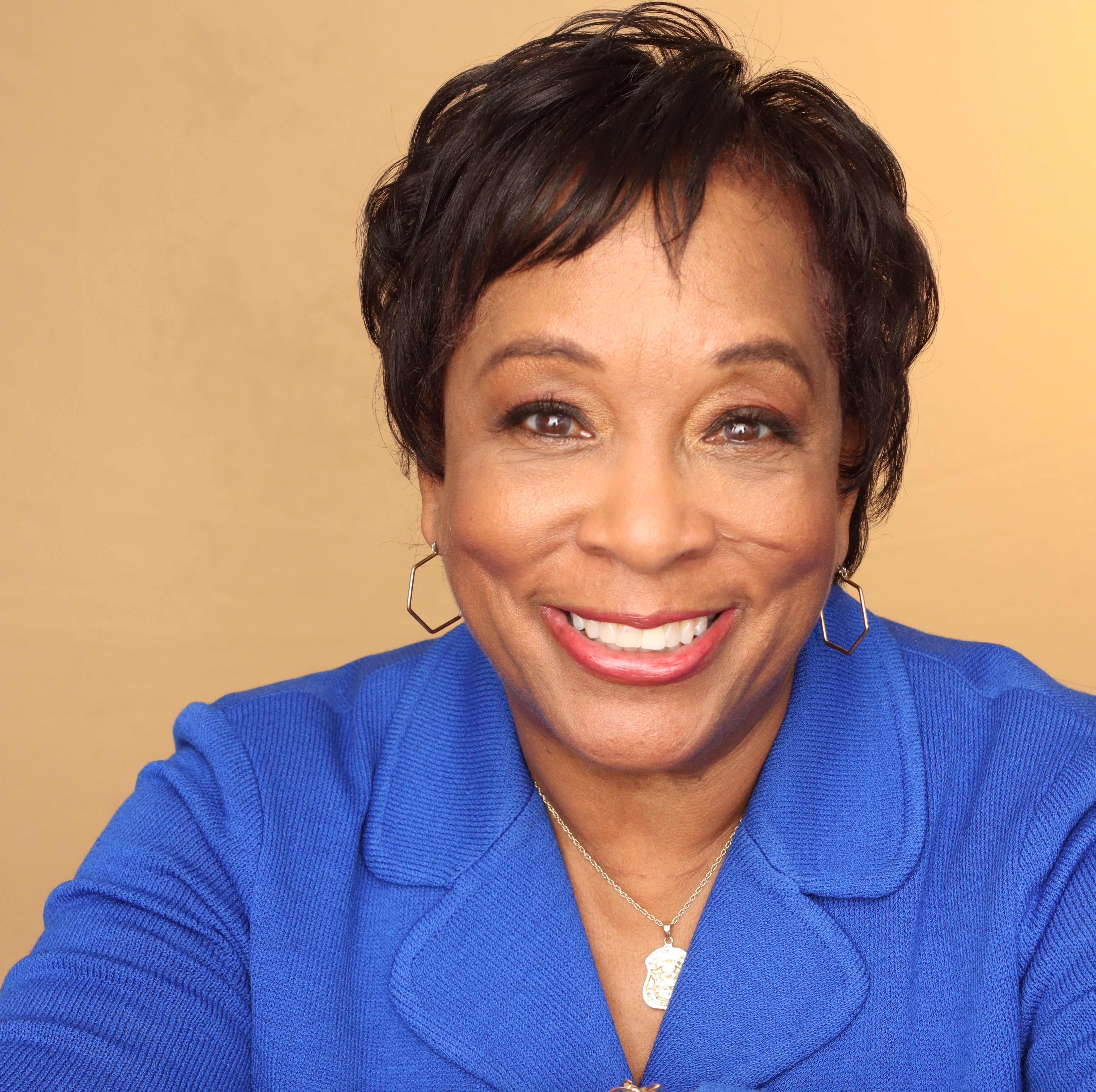
Cheryl Procter-Rogers, APR, Fellow PRSA
Cheryl Procter-Rogers, APR, Fellow PRSA, MCC, is president and CEO of A Step Ahead Consulting & Coaching LLC, an executive coaching and strategic communications firm she established in 1986. For more than 40 years, she has designed and implemented public relations strategies for corporate, university, government and nonprofit entities and coaches senior executives. She served as the 2006 PRSA national president and CEO and received the profession’s highest honor, the PRSA Gold Anvil, in 2011