



How to Protect a Brand in Influencer Partnerships
By Stephen Michael Brown, APR, Fellow PRSA and Karen Baldwin
March 2026
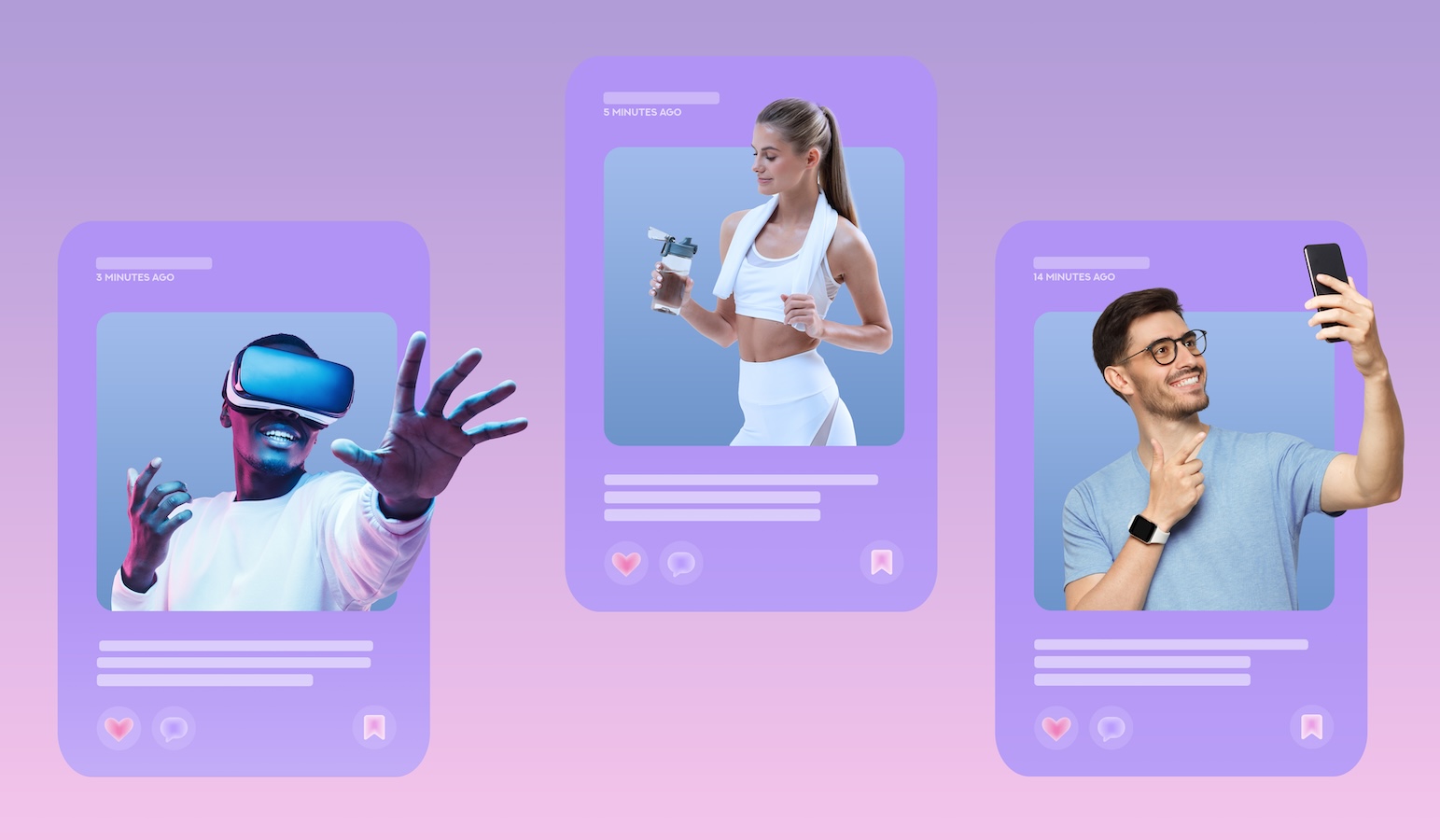
Almost every PR or marketing professional has witnessed the meteoric rise of influencer marketing. It has become an essential tool for brands seeking deeper connections with their audiences.
The benefits — engagement, authenticity and unparalleled reach — are undeniable. But for every viral success, there’s a looming influencer misstep that could damage a brand’s reputation.
Recent examples of influencer-related PR disasters highlight the importance of preparation. Protecting a brand’s reputation and bottom line requires more than picking the right face for a product. It means drafting watertight contracts, conducting rigorous due diligence and setting clear expectations from the start.
The safeguards a brand puts in place before a partnership can determine whether the collaboration becomes a breakthrough success or a costly crisis.
The double-edged sword of influencer marketing
Influencers offer something that traditional marketing cannot replicate — a human and relatable connection with their audiences. Their ability to create content that feels conversational gives brands a direct path to niche audiences.
Whether it’s a beauty micro-influencer on TikTok or a celebrity endorsing products on Instagram, these partnerships often feel more genuine than traditional ads.
But the risks are all too real. Take these examples of what could go wrong in influencer marketing:
- A popular singer faces backlash when resurfaced tweets and reposts show them supporting offensive content. A well-known brand, which had just signed them, is quickly pulled into the controversy.
- A social media personality is accused of perpetuating a toxic environment. Many brands swiftly cut ties with them.
- A celebrity makes a series of hateful remarks in public and on social media. Brands quickly end their highly profitable partnerships with the star.
These examples send a clear message to PR and marketing professionals: The rewards of influencers are tremendous, but when things go wrong, they can go very wrong. The good news? There are proactive steps you can take to protect your agency or brand.
Building an iron-clad influencer contract
A watertight influencer contract is your first line of defense. This document should be more than a checklist; it should anticipate potential issues and provide legal protection for both parties.
Contract essentials:
- Scope of work: Specify as much as possible, from deliverables to timelines. A vague contract can lead to unmet expectations or unfulfilled promises, derailing your campaign.
- Usage rights: Clarify how the content can be used and repurposed. Without proper rights, you could face infringement claims or miss crucial opportunities for reuse.
- FTC compliance: Contractually obligate influencers to follow disclosure guidelines. If an influencer fails to disclose a paid partnership, the sponsoring brand often bears the legal consequences.
- Indemnification clauses: Shield your agency or brand from liability by holding influencers accountable for legal or reputational risks resulting from their actions.
- Termination clauses: Outline the conditions under which you can sever the partnership, preferably with provisions for reputational harm or violations of terms.
- Dispute resolution: Avoid prolonged legal battles by agreeing in advance to mediation or arbitration in case of disputes.
Collaborate with legal experts to address these nuances and lay the groundwork for long-term protection.
Vetting influencers thoroughly
Stop partnering on metrics alone. Influencers with high follower counts are tempting, but sheer numbers can be deceiving. A deeper vetting process ensures more meaningful partnerships and reduces risks. Steps for comprenhensive vetting include:
- Content analysis: Scrutinize past posts for traces of controversy, alignment with your brand values and professionalism.
- Audience legitimacy: Fraudulent influencers with fake followers are a growing problem. Use verification and analytics tools to audit metrics and ensure audiences are genuine.
- Cultural sensitivity: Global campaigns demand partners who understand and respect different cultures, helping to avoid PR disasters.
- Ongoing monitoring: Keep an eye on your influencer after onboarding. You never know when off-brand behavior might arise.
Prepare for crises
Building safeguards into your influencer agreements and strategy reduces the fallout of unexpected hiccups.
- Crisis management is non-negotiable. Design an action plan to address influencer-related scandals. And include steps such as removing content, issuing PR statements and suspending campaigns.
- Insurance is a safety net. Even with the most diligent preparation, lawsuits can happen. And even a suit without merit can be expensive to defend. Both brands and agencies should invest in professional liability insurance that covers damages arising from influencers’ actions, as well as covering your legal fees. It protects your brand or agency if an influencer partnership leads to claims of negligence, misrepresentation or failure to deliver promised results.
Media liability insurance is also critical as it protects against risks tied to content itself, such as defamation, copyright infringement or misuse of intellectual property. Together, these policies provide a financial backstop if an influencer’s behavior or content sparks legal or reputational trouble.
You should also consider requiring influencers to carry their own insurance coverage as part of the agreement, so protection is shared on both sides. In fact, brands and agencies should conduct a thorough review of all insurance policies as 77% of U.S. small businesses are underinsured, according to the 2025 Hiscox Underinsurance Report.
Transparency avoids trouble
The FTC has made it clear that paid partnerships must be “clear and conspicuous.” Failure to comply can result in hefty fines, not just for influencers but for sponsoring brands. The essentials of FTC compliance include:
- Clear disclosure: Influencers must use unambiguous terms such as “ad,” “sponsored” or “partnership.” Hashtags hidden in a sea of words are not sufficient.
- Education and monitoring: Regularly educate influencers on compliance expectations and monitor their content to ensure adherence to disclosure rules.
Whether they have followers in the millions or thousands, remember that all influencer actions are liable to potential fines and scrutiny. Brands associated with influencer missteps can suffer PR setbacks even without being legally culpable.
It’s important to note that claims arising from FTC regulations may not be covered by your insurance policy, so brands and agencies could be responsible for any of the costs associated with defending and paying any fines and penalties. Staying vigilant can save you from a similar fate.
Influencer marketing offers incredible opportunities, but navigating these partnerships requires precision and foresight. By taking proactive steps such as vetting thoroughly, drafting strong contracts, staying compliant and insuring against worst-case scenarios, you can ensure that your campaigns deliver maximum impact with minimal risk.

Stephen Michael Brown, APR, Fellow PRSA
Stephen Michael Brown, APR, Fellow PRSA, is president of Cookerly PR, where he serves technology, entertainment and professional services clients, and leads media training and influencer programs.

Karen Baldwin
Karen Baldwin is vice president of the media practice at Hiscox USA, the leading specialist insurer for over 600,000 small businesses. She has more than 30 years of media underwriting and leadership experience and has a proven track record of building industry-leading media liability offerings.