



Is There a Business Case for ‘Believing?’
By Mark Mohammadpour, APR, Fellow PRSA
October 2026
The share of employees who consider their workplace toxic rose 18 percentage points year over year to 40%, according to Businessolver’s 2026 State of Workplace Empathy Study.
Yet 98% of C-suite executives in the same study say, “they are empathetic leaders.”
It’s clear:
- There is a disconnect between perception and reality.
- People are yearning for action on empathetic leadership.
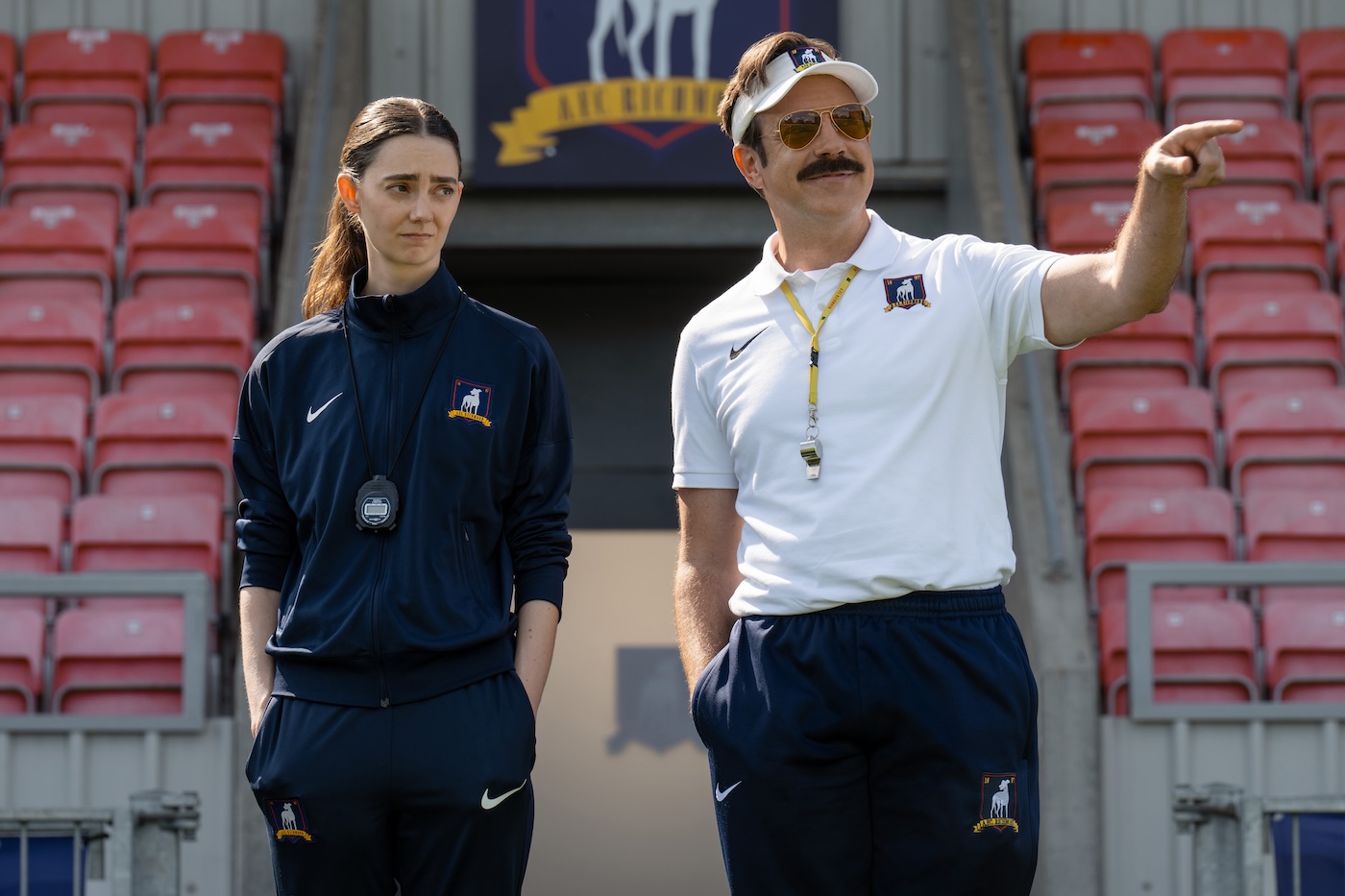
When the award-winning Apple TV series “Ted Lasso” premiered during the pandemic in 2020, the messages of warmth, empathy, and “Believe in an idea” proved to be the right message at the right time.
Six years after the show premiered, and after a three-year absence, more than 7 million people watched the Season 4 opener within 48 hours. The show’s shift to focus on women’s football has brought a new and important perspective on understanding, empathy, and motivation.
Just as important, the show’s messages extended beyond football through all aspects of personal and professional relationships.
“Ted Lasso” is a reminder that relationships take work and cannot be delegated through an AI chief-of-staff of ones and zeros.
Speaking of ones and zeros, it’s time we reminded ourselves of the true business impact of caring about your people.
Empathy is worth something:
- According to the same Businesssolver study, 66 percent of employees would accept lower pay to work for a more empathetic employer, rising to 73 percent in toxic workplaces.
- According to Gallup, disengagement costs the U.S. about $2 trillion a year in lost productivity.
The fixes are there. We need to show we care. We believe.
So how do we address this challenge?
On Oct. 19 at ICON 2026 in Orlando, Fla., we’ll go deeper into this topic as I’m leading a session: “The ‘Ted Lasso’ Leadership Effect: Driving Measurable ROI Through Empathetic Communications.”
A few things we’ll discuss include:
- What is empathy, and why it matters at work. Without clear definitions, context, and examples, empathy can feel like fluff. In fact, empathy is critical at every stage of your public relations career. We’ll use brand-new leadership examples from “Ted Lasso” to show different types of empathy and how they apply to our relationships with colleagues, managers, those we manage, clients, the media, and other key stakeholders.
- Regretted attrition awareness. Do we know why people are leaving our company? Especially the people you wanted to keep and fought for? And do we know which of those people felt healthy, confident, and connected with their team, or were they just a recipient of one-way email communications with no context? These are critical questions worth discussing, especially since work relationships span decades, with roles shifting among client, agency, consultant, and advisor.
- The importance of real-time sentiment. Gallagher’s 2026 Employee Communications Report found that 70% of internal comms teams still measure basic outputs like clicks and opens, while just 12% connect their work to business impact. Your post-campaign polling, weeks or months later, will have minimal impact on your company and employees. All planning needs to include a strategy of continual sentiment to understand how your teams are feeling in the moment. We’ll discuss how to make this happen.
- Manager readiness. Want a great indicator for how your leadership is feeling? Ask them 24-48 hours before a major announcement: “Do you feel prepared to answer the most difficult questions your team will ask?” Gallup’s recent State of the Global Workplace says manager engagement fell from 31% in 2022 to 22% in 2025. We’ll discuss how to set your leaders up to succeed.
Can’t wait to host a lively, action-packed, high-energy time to discuss a critical topic at a critical time.

Mark Mohammadpour, APR, Fellow PRSA
Mark Mohammadpour, APR, Fellow PRSA, is a keynote speaker on communication, employee culture, and well-being. His company, Chasing the Sun, empowers PR professionals to shine in the family room and the board room. Before launching Chasing the Sun, Mark was an executive at Weber Shandwick and Edelman, leading award-winning campaigns for Adobe, Microsoft, Samsung, and the U.S. Army. Visit chasingthesunpdx.com or email Mark at mark@chasingthesunpdx.com.