



Leading Through Crisis, Change and Reinvention
By Ken Jacobs
June-July 2026
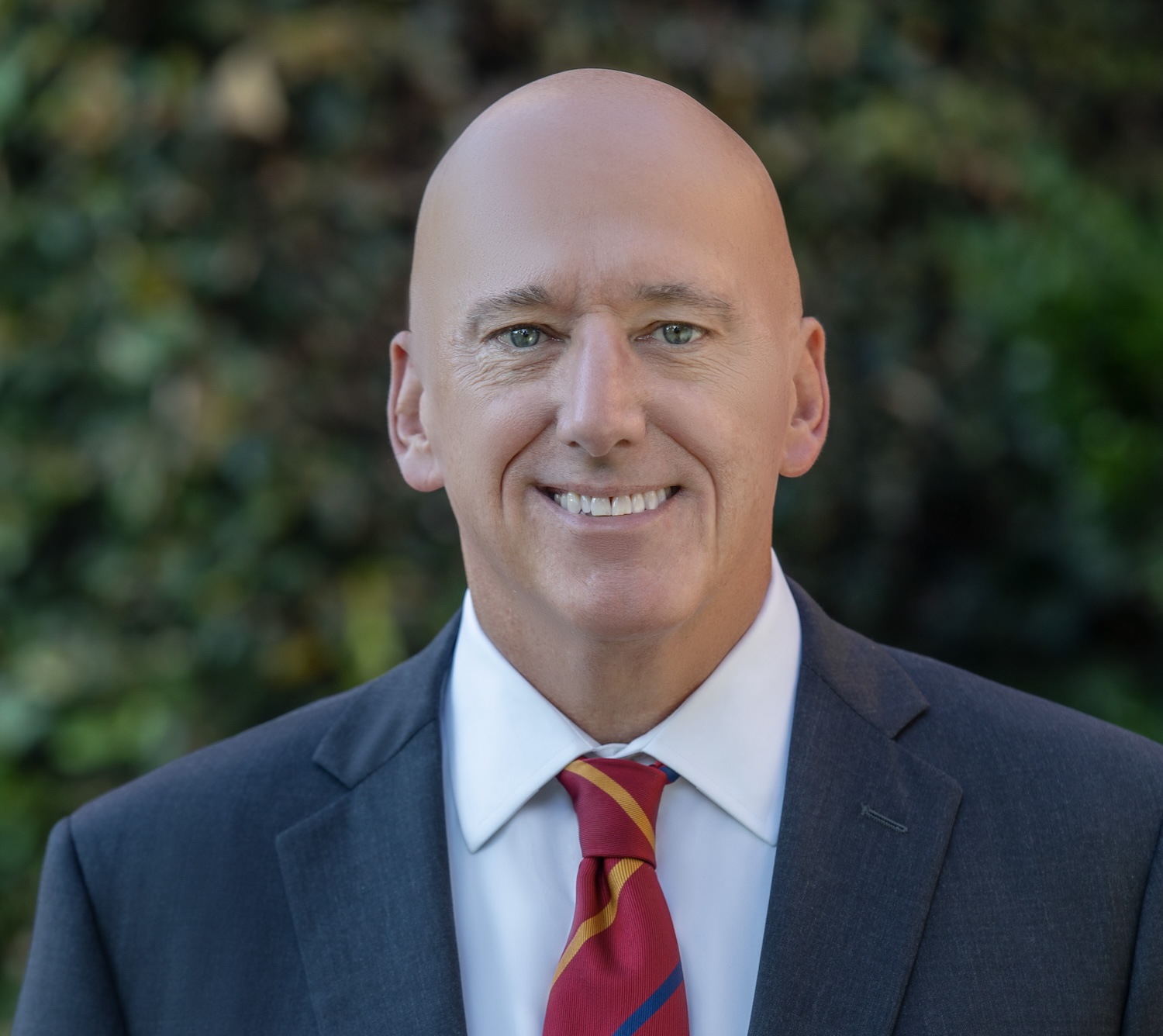
For Joel Curran, leadership in communications comes down to a few hard-earned truths: Reject legacy models, move with urgency and, even in moments of crisis, lead with kindness.
Before joining APCO as a senior director, Curran spent more than a decade as chief communications officer at three of the nation’s most prominent universities — USC, the University of Notre Dame and the University of North Carolina at Chapel Hill — advising presidents and navigating headline-making moments on the national stage.
In this Q&A, Curran, who now works across APCO’s higher education, crisis management and corporate reputation practices, discusses leading through disruption, the pressures facing higher education today and the principles that continue to shape his approach to leadership.
We last featured you here in 2017. What are the three most important things you’ve learned about leadership in that time?
A lot’s happened since 2017. At UNC, our campus erupted over a controversial Confederate Memorial statue that was toppled during a protest, which kept us in the national and international news media for years.
We had a global pandemic that pushed everyone to online work and fundamentally changed how we collaborate.
And I left UNC to start a four-year commute from Raleigh to South Bend and Los Angeles before returning to North Carolina with APCO earlier this year.
Here are three things I learned:
• Reject legacy models. At each university, I told my leadership teams that we needed to constantly look outside higher ed for the new and the next in communications architecture.
The current budget pressures facing all universities has created enormous opportunities to do just that, and from my new role at APCO, I’m seeing how university communications teams are blowing up old models and leaning into change. I’ve told my successors at each of my former schools that I’m excited to see what they’re doing to keep evolving.
• Maintain a sense of urgency. I’ve had the privilege of working for some of America’s top university leaders during a period of unprecedented change in higher education, and that continues today.
I was challenged by those leaders to reinvent the ways we tell stories, manage issues, and break up siloes – and to do it today, not next week. I constantly had to find new ways to create, collaborate, and move faster than before. But the rapid evolution and access to AI is an enormous opportunity to do all of that, literally in seconds. I truly believe I’m entering the most exciting phase of my career.
• Kindness still matters. I consider myself a good person and try to translate that into how I lead.
However, during the pandemic, I had to redefine how I applied that to my team. I really learned to lean in on allowing Zoom meetings to go a little longer while people caught up on their lives.
I learned to give people grace with the pressures they were facing balancing the in-home collision of personal and work lives. I became more intentional in letting people know how much I appreciated them. I think all of that helped me be a better version of myself as a leader, a husband and father, and friend.
Before joining APCO, you were a senior communications leader in higher education for 13 years. It seems higher education is under fire. How can senior executives in that space lead effectively despite this?
I worked at three very large research universities and over my 12 years in higher ed collaborated closely with my colleagues at peer Association of American Universities member institutions. It’s easy to say that the period we are in now is particularly challenging due to the budget headwinds all schools are facing.
But higher ed has been under enormous pressure to change since I first entered in 2013, and it seems chief communications officers are meeting the moment with a real bias to change and, while they’re at it, go big with fewer staff.
I am seeing an enormous pivot toward more robust marketing plans and brand building in an effort to find new ways to tell their stories and underscore the value their institutions represent to their vast constituencies.
That has created more space to recruit professionals who may not have previously entered higher ed but now bring a new level of creativity and ideation to university communications. To really approach everything without legacy baggage.
I recently met with a dozen or so former AAU colleagues, and the stress is palpable, but so is their indefatigable spirit to pivot, embrace AI and new org charts, and advance their institutions. That’s inspiring.
You’ve led communications on the corporate, higher education and now again on the agency side. What are the truisms of effective leadership regardless of where one practices?
I am a culture-first person, and have followed the same philosophy during my 30-plus years of managing large teams:
- Hire great people and invest in their success.
- Set a clear, strategic vision that is measurably aligned with the organization’s mission and live that every day. (At my agencies that included placing our clients and their success in the center of everything we do.)
- Create a culture that embraces change and empowers teams to experiment and innovate.
- Lead by inspiration, not intimidation, and live your values every day.
- You’ve hired them, set the vision, nurtured the culture – good things will happen if you get out of their way and let them do their jobs.
What was your biggest leadership failure or faux pas, and how did you bounce back?
I think great leaders fail often because you can’t be successful if you’re not trying new approaches, taking strategic risks and trusting your instincts.
At one of my agency stops, I inherited an office that was in a very bad financial situation. Every change I should have made would have seemingly collapsed a practice and I was shut down at any suggestion of a major office overhaul. So, I tried to work around the challenge rather than rip the bandage off and follow the formula that had made me successful with every previous rebuild.
I always felt I failed myself by not pressing harder for dramatic change. I went to my next job with a clear alignment with leadership on what was needed to create a successful operation. I didn’t have to ask permission, and I was allowed to make the hard decisions, eliminating underperforming functions and creating new, more contemporary solutions. That ended up being the very best team I ever managed.
What’s the most surprising thing we wouldn’t know about Joel Curran from your LinkedIn Profile or agency bio?
I am a very proud eighth-generation North Carolinian. But my father became a Navy chaplain shortly after I was born and we moved around the world for 11 years until he retired back to North Carolina as I was entering high school.
To my non-North Carolina friends, I have no detectable accent because I slip into my homogenized speech. But when I’m back with my North Carolina family and friends, I slip seamlessly into my Southern accent. It’s a lot of long vowels, “y’all’s” and “that dog won’t hunt” when a bad idea is brought up. And I hear that a lot.
Ken Jacobs
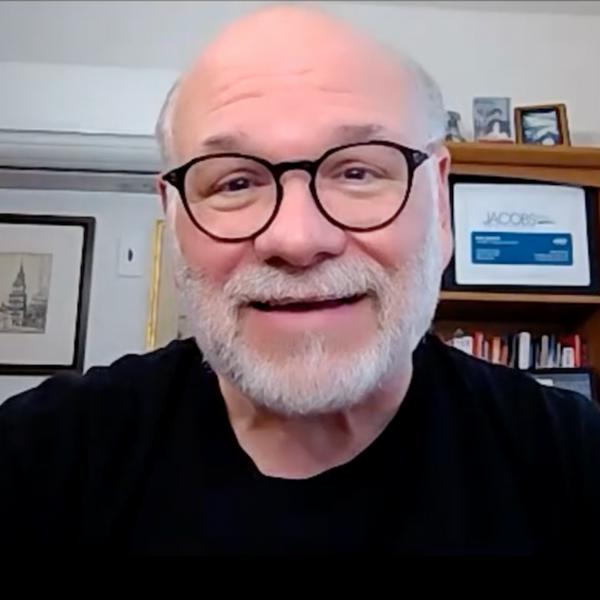
Ken Jacobs is principal of Jacobs Consulting & Executive Coaching. Visit his website (www.jacobscomm.com) and contact him by email (ken@jacobscomm.com). He is a Professional Certified Coach (PCC).