




Pittsburgh Pirates’ Kelly Ross on Seeing the Whole Field in Sports Communications
By John Elsasser
March 2026
Kelly Ross will be the guest on the next Strategies & Tactics Live on LinkedIn. Tune in here on March 18, 1 p.m. ET.
From watching games through the lens of the press box to building a career defined by audience awareness and intention, Kelly Ross has learned to see what others might miss. What once felt like a limitation became a professional edge — shaping how she anticipates reactions, aligns messages and communicates with clarity in high-pressure moments.
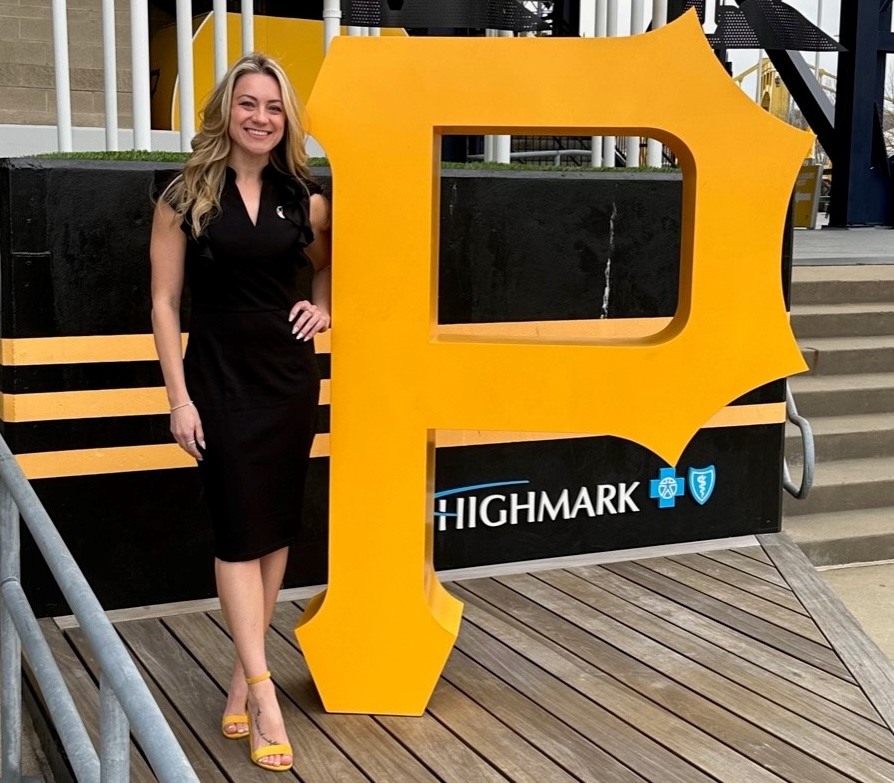
Ross is manager of internal communications for the Pittsburgh Pirates, where she helps ensure that messaging across the organization is clear and authentic.
Here, Ross shares how she approaches internal and external engagement, how to tell stories in a fast-moving sports environment, and why she’s stepping into a leadership role with PRSA’s Entertainment & Sports Professional Interest Section.
You studied sport communication at West Virginia University. When did your interest in sports first take shape?
I definitely didn’t have it all figured out early on — and that’s a big part of my story.
Growing up, I went to a lot of Nationals, Wizards and Capitals games [in Washington, D.C.], where I found myself paying attention to everything happening behind the scenes more than the score. I was most inspired by the broadcasters and the people working in the press box, and while I didn’t have a plan for it yet, I knew I wanted to be part of that team.
I was born with a permanent hearing loss, which meant I had to think about that career path a little differently. Sound isn’t always reliable, so reading and writing became my strong suits, and I grew especially attuned to nonverbal communication in others. Those skills helped me understand audiences, read situations and anticipate how messages would land.
It took some time in college for all those pieces to come together. I started as a pre-athletic training major, still trying to figure out what I wanted to do, and eventually realized my strengths — writing, observation, empathy and situational awareness — aligned naturally with sports communications. What once felt like a limitation became an advantage, and once I saw that connection, everything clicked.
What’s one WVU experience that helped prepare you for the pace and expectations of pro sports communications?
WVU taught me how to figure things out on my feet. I was consistently placed in fast-moving environments where expectations were high and feedback was immediate.
My college experience forced real self-awareness — understanding what I enjoyed doing, where I added value and how to operate under pressure. Sports communications doesn’t leave much room for overthinking! You have to make decisions, trust your preparation and adjust in real-time. WVU reinforced that perfection isn’t always possible, but clarity, judgment and accountability are.
Those lessons translated directly into my professional career and continue to guide how I approach high-pressure situations.
In your role as manager of internal communications for the Pittsburgh Pirates, you focus on keeping messaging clear, authentic and aligned with the organization’s voice and values. What does that look like in practice — especially during the season?
During the season, clarity and consistency become even more critical as the volume and pace of communication increase. While internal communications is a core part of my role, a big part of my work overall is helping ensure that the right messages reach the right people at the right time — across departments, platforms and moments.
That starts with being intentional about every message we send and equally intentional about what we don’t. My focus is on distilling what employees, media and fans need to know, providing context when it matters and communicating in a voice that reflects who we are as an organization.
Whether it’s an operational update, a leadership message or a moment worth highlighting, the goal is always the same: clear, honest communication that’s relevant and consistent.
How do you help connect internal and external narratives, so the organization’s brand voice stays consistent?
Internal and external communications should never feel separate. I spend a lot of time making sure employees understand not just what we’re saying publicly, but why — and how it fits into the bigger picture. That alignment comes from building strong relationships across departments and framing internal messages with the same tone, values and clarity we expect externally.
When the approach is consistent, the brand voice feels cohesive and authentic — no matter who it reaches.
When you’re writing talking points, emails, remarks or press materials, how do you tailor the message for different audiences?
I start by considering what the audience needs to know, feel or do. That understanding shapes everything from the structure and tone to the level of detail included.
A full-time, front-office employee, a seasonal staff member, a corporate partner or a member of the media all engage with messages differently, and the approach has to reflect that. I never tailor messages to change the truth, I just deliver the same core message in a way that’s clear, intentional and easy to absorb.
How do you decide which stories to elevate, from homestands to community initiatives and partnerships?
I’m drawn to stories that show the full experience of being at PNC Park and being part of the Pirates organization.
While moments on the field matter, the stories that stay with people are often shaped by what happens around the ballpark in the way fans are welcomed, supported and remembered. This could be a host helping an out-of-towner feel at home, a concessions team member introducing someone to their first sandwich topped with fries, or a front-office employee whose work quietly makes the game day run smoothly.
Those moments reflect how the Pirates show up for Pittsburgh. They’re specific, people-centered and rooted in passion, and elevating them helps employees see how their work contributes to something larger than the final score.
What motivated you to step into your role as membership chair for PRSA’s Entertainment & Sports Section? What do you hope to build for members in 2026?
Honestly, it came down to the power of community. The entertainment and sports industry moves fast and can feel isolating at times, especially early in your career, and I wanted to help create a space where people feel connected, supported and encouraged outside of their day-to-day work.
Looking ahead, I’m excited to build a more engaged and accessible experience for our members — one that feels valuable, welcoming and worth showing up for.
My hope is that it becomes a place where people can learn, share experiences and build real relationships that last beyond a single role or season.
What’s one skill that students and new pros should focus on now if they want to break into sports communications?
Self-awareness. Understanding what you’re good at, where you need to grow and how you work best under pressure is just as important as learning the tools.
The people who succeed are the ones who can take feedback, adjust quickly and show up prepared for whatever the day brings.
What’s your favorite part of your work with the Pirates? What keeps you energized on the busiest days?
Being part of something that’s always evolving. During the season, there’s a constant sense of momentum that keeps you engaged and challenged.
What motivates me most is knowing that the work happening behind the scenes plays a real role in how fans experience PNC Park. Being trusted with that responsibility keeps me energized, even on the most demanding days.
Let’s Go Bucs!