



Recent Events Test Leadership and Judgment Under Pressure
By Greg Beaubien
May 2026
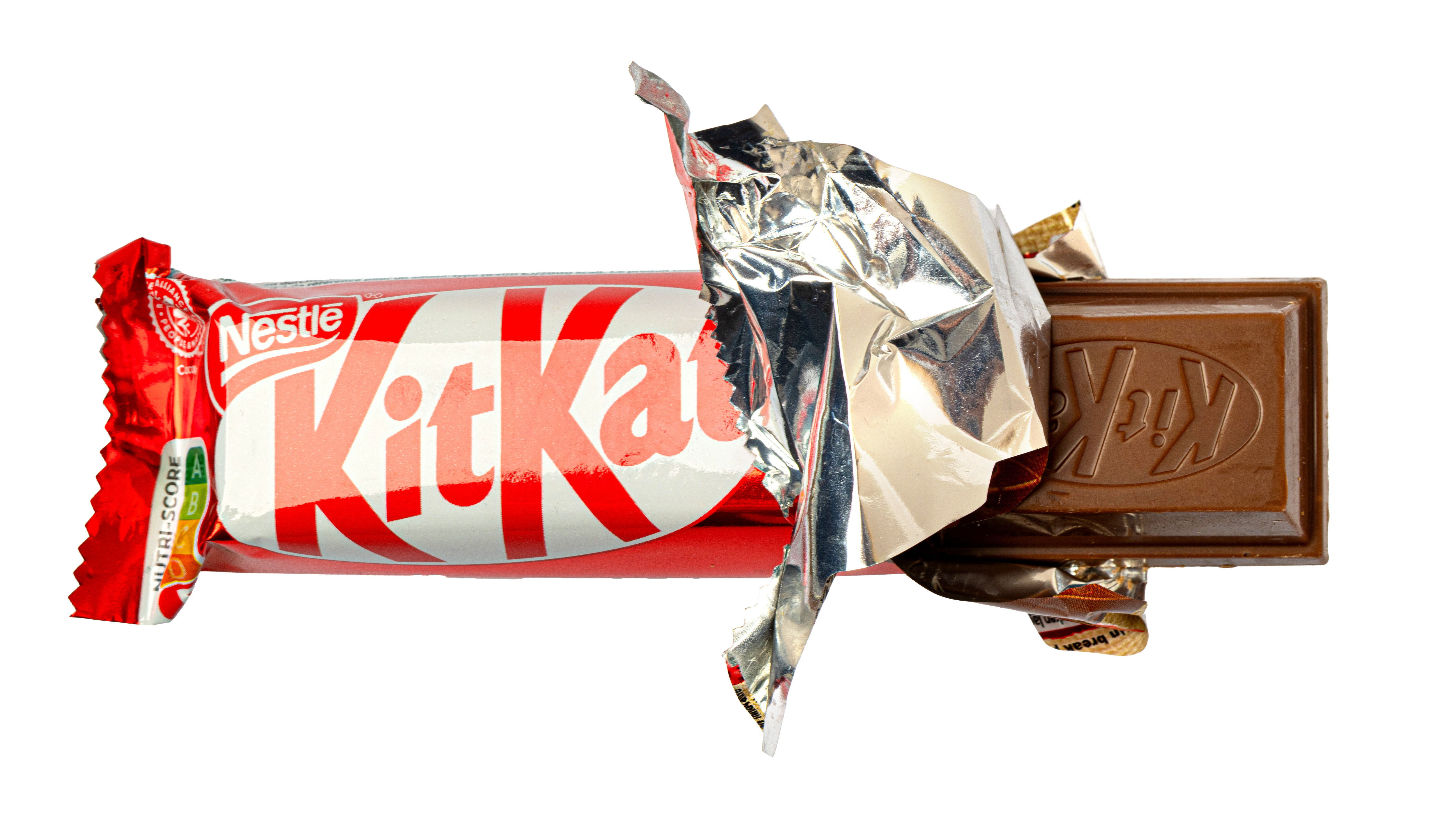
KitKat Avoids Potential PR Crisis With Tasty Response
When thieves stole a truck carrying more than 400,000 KitKat bars somewhere on the road from Italy to Poland in late March, no one was hurt. The brand’s owner, Nestlé, scored a win by turning the crisis into a humorous social-media meme.
“We’ve always encouraged people to have a break with KitKat — but it seems thieves have taken the message too literally and made a break with more than 12 metric tons of our chocolate,” Nestlé said in a statement.
Other companies soon hopped aboard the bandwagon.
“We would like to share our thoughts and condolences with Kit Kat following their sad news,” a Domino’s Pizza account in the U.K. posted. “On a completely unrelated note, we’re pleased to announce we’ll now be selling a new Kit Kat pizza.”
Nestlé’s response was “a master class in public relations,” said Andrew Bloch, a London-based PR consultant. The company “embraced the opportunity and turned it into a positive.”
Steve Soltis, a communications lecturer at the University of Virginia, said lighthearted responses work when “there’s no meaningful impact to the business.” However, “That approach can backfire when people are hurt or when the business has suffered material or reputational damage.”
Air Canada CEO to Retire After Issuing Crash Condolences in English
Air Canada president and CEO Michael Rousseau, who sparked controversy by delivering an English-only condolence message after the deadly crash of an Air Canada flight in New York, will retire this fall, the company announced March 30.
As CBC reported, the flight that departed Montreal on March 22 collided with a fire truck upon landing at LaGuardia Airport. Two pilots — first officer Mackenzie Gunther and Capt. Antoine Forest was killed. Dozens were injured in the crash, including passengers, crew members and two firefighters.
Rousseau, who has been with Air Canada for nearly two decades, was condemned for giving his subtitled condolence message almost entirely in English, aside from beginning with “bonjour” (French for “good day”) and ending with “merci” (French for “thank you”).
Forest was a French-speaking resident of Quebec. Air Canada is headquartered in Montreal, where French is the primary language. The company requires its employees to be able to communicate in both of Canada’s official languages, English and French.
Canada’s Prime Minister Mark Carney said Rousseau’s message showed “a lack of judgment” and “compassion.” Former Alberta premier Jason Kenney was among those who defended Rousseau, saying the executive’s time is better spent on the safety and reliability of services than on language training.
In a written statement released in both English and French four days after the crash, Rousseau said that despite many years of lessons, he is still unable to “adequately” express himself in French. “I sincerely apologize for this,” the BBC quoted him as saying, “but I am continuing my efforts to improve.
Is Wall Street Slow to Grasp a Crisis?
The stock market’s mild reaction to the war in Iran — the S&P 500 has fallen just 3.9% — might suggest wise people can foresee the conflict’s economic effects. But as The Wall Street Journal reports, the market can be slow to recognize a crisis.
One reason is psychological: People need a lot of evidence to be convinced that something terrible might happen. Another culprit is misplaced faith in Wall Street analysts.
Since the war started, full-year earnings forecasts have risen for 131 companies in the S&P 500 — mostly in the energy, refining, and chemical industries. Forecasts for 103 companies have dropped. The rest remain unchanged or change only slightly.
Afraid of angering executives, most analysts wait for companies to flag problems. In the coming weeks, companies will send the market messages via their earnings-guidance reports and the tone of their investor calls.

Greg Beaubien
Greg Beaubien is a freelance writer based in Chicago. He is a frequent contributor to Strategies & Tactics.