



SPY Museum’s Aliza Bran on Storytelling and Espionage
By Amy Jacques
February 2026
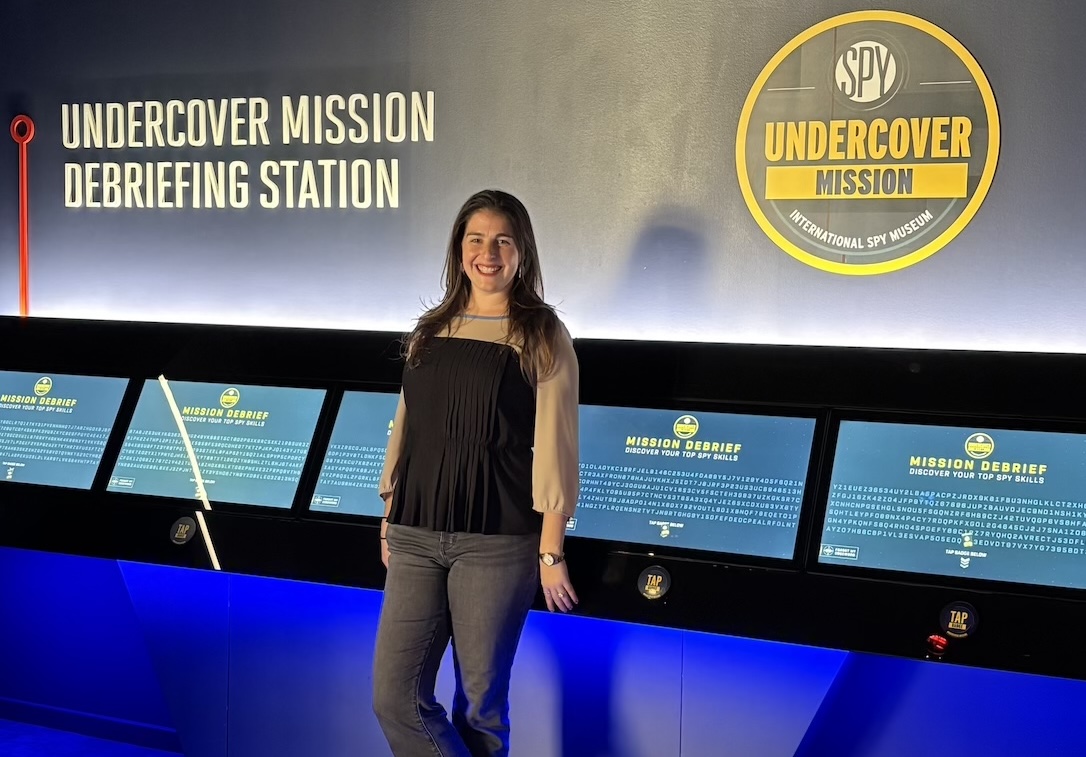
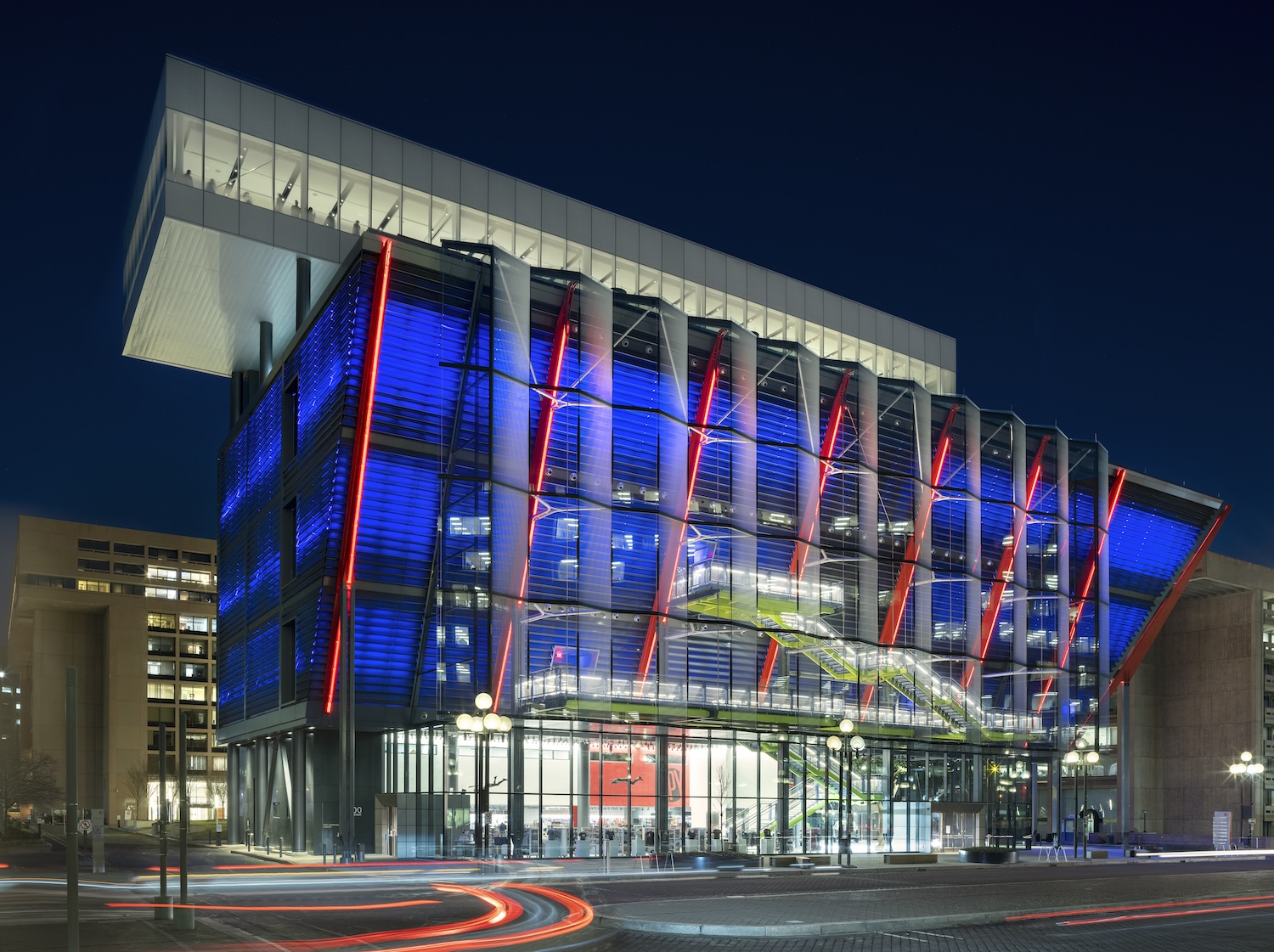
During our time in Washington, D.C., for ICON 2025 this past October, Strategies & Tactics visited PRSA member Aliza Bran, director of media relations at the International Spy Museum (SPY). The independent nonprofit museum documents the tradecraft, history and contemporary role of espionage, and holds the largest collection of international espionage artifacts on public display.
Bran has worked for SPY for over nine years in various PR, marketing and media relations roles. Prior to this, she was an account executive at Susan Davis International and held positions at FleishmanHillard and NBCUniversal. She is a graduate of Washington University in St. Louis and is a board member of the National Press Club.
Here, Bran’s passion for espionage, history and the hidden world of intelligence shine through, as she discusses storytelling and engaging diverse audiences, communications strategy in a changing digital landscape, and what’s next for PR’s next generation.
How did you get your start in PR and comms? And how did you come to work for the International Spy Museum?
I was a political science major, writing and anthropology minor. I had never considered going to business school and I didn’t know a whole lot about PR. I was graduating a semester early to save money and I went to the career center, where I got turned on to public relations. I did some informational interviews. I went to school in St. Louis, so I did a paid internship at FleishmanHillard.
I decided, now that I have a sense of what this is, I am enjoying it. I think I could do something here. And I got a job at an agency in D.C. — to all young PR folks, I recommend starting at an agency. You get so much experience in many different industries, types of communications, challenges. I learned a lot. From there, I had a number of different clients, some of which were museums.
I thought, what if I went in-house at a place that I believe in deeply, that I care for the educational mission of? I looked around, and the Spy Museum was my favorite museum from the time it opened in 2002, which sounds like a pitch, but is an honest answer. I’ve been here ever since. It’s been over nine years, and I feel lucky to be here.
Tell us about your work at the museum. How is your department structured? What is a typical workday like?
I’m part of the marcomm team. We have a VP of marketing and communications. Within that team, I am the only person who does public relations and media in general. I also am in charge of social media and have one direct report who’s focused on social. I do a lot of the strategic thinking and part of the brainstorming for that. But he’s incredible and does great video work. We have so much fun coming up with ideas — that’s our little corner of the marcomm team.
There’s a marketing director, who is working with the ad firm we have, as well as email marketing. Then, we have three incredible creatives who develop all the collateral, digital and print that are branded in some way for the SPY Museum.
And no day is the same. That’s what makes this kind of work so fun. One day, I’ll be doing a morning filming in the exhibits. Another, I’ll be giving a day to media in from another country… or I’m doing interviews, or setting [leadership, curatorial and historical staff] up for interviews.
What are some key tenets of storytelling, and how can PR pros can make a meaningful connection with audiences and foster those relationships?
Storytelling is the whole thing. It’s almost impossible to explain why it’s necessary, because that’s the whole reason why we do what we do. Knowing your audience, knowing what affects them or what will interest them is the job of someone in public relations. Whether that means who you’re pitching to, who is the audience of the person you’re pitching to, what that article would look like. It’s all about trying to figure out what gets people excited or what assuages their concerns, or if it’s a local story, how does this affect that local population?
If you’re looking at pitching a tech group, what’s the tech side to what you’re talking about? Making sure that you’re well-researched and considering that ultimate audience is the whole thing. [There’s] an emotional truth in what you’re talking about as well, because that’s how people best learn and understand. So data is hugely important, especially in a world where you have competing narratives about things. But giving it a human element is incredibly important.
What advice do you have for PR’s next generation?
For the people coming into PR right now: Learn how to write. Read everything. Watch everything. The connections that you make through the television shows and the news every day is going to help the strategy for your client or if you’re in-house, your organization or company. Always know your audience, learn how to write, do your research, know what’s going on.
Also, always consider the reporter side of things. Their deadlines are a quicker turnaround than ever before. What someone coming up in the business of public relations should do to be successful, and just to be a good person, is to consider all those challenges and to see how you can help the person you’re pitching have as much as they need upfront.
What is your favorite part of working here?
What I like most about this place — other than the fact that I am fascinated, like so many of our visitors, with the history of espionage and kind of its impact on the world around us — is that every day is different. Espionage also lives at this incredible intersection between arts and culture museum, national security, espionage, breaking news and anything in between. I’ve pitched articles on sports espionage. I have done a little bit of everything in my job, and that’s what keeps it fresh and exciting.
Many different projects come through. We opened our new vault this past summer — that’s all the artifacts we don’t have on display, which is so many items that deserve attention and are exciting and have their own stories. There’s just so much to dig into here; it makes it special.
The museum deals with truth, perception and secrecy — topics that feel especially relevant in today’s information environment. How do those themes influence your communications strategy?
There’s a lot of responsibility right now when it comes to the information world we live in. If you look at that trust barometer, for organizations that individuals trust and depend on for honest information, museums are incredibly high up — way above news organizations, government groups. I feel a great deal of responsibility in making sure that what we put out is accurate, as unbiased as possible, thoughtful and considered, and helps people better understand the world around them.
That is something that’s part of all my strategy going out, but certainly for the stories I pitch that are on the historical context of current events, so that we can help the public get a sense of what’s going on.
Also, in general, for museums — with the trust barometers being what they are — we are in a special space, and we have to think through what the educational mission is, what are our goals, what do we want people to walk away with from a learning perspective. And that’s getting people excited about learning. We have this huge, beautiful museum, but we can only tell so many stories in this space, right?
Below, Bran discusses how the themes of truth, perception and secrecy influence her communications strategy.
Here, she shares her favorite part about working for the SPY Museum.
Amy Jacques
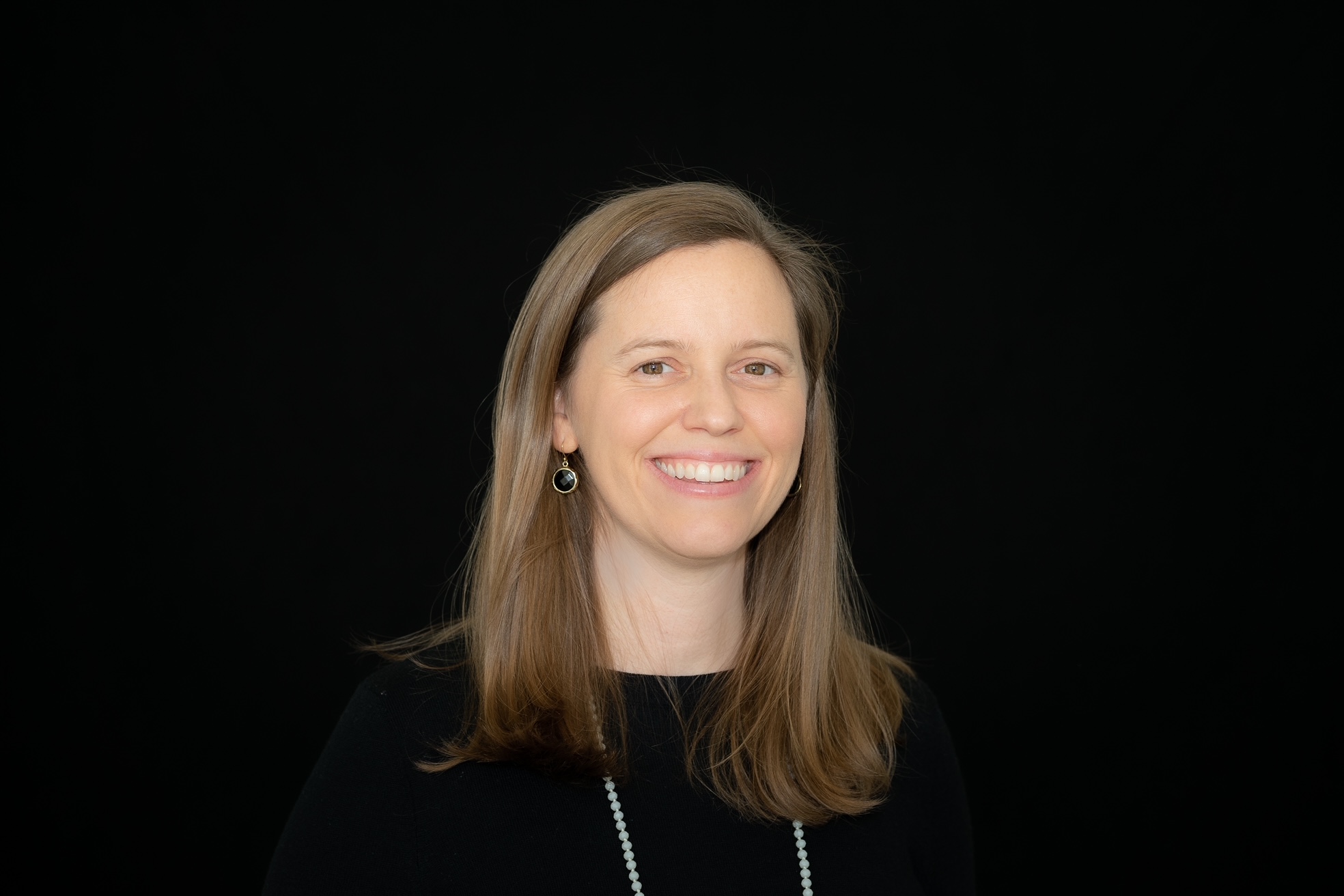
Amy Jacques is the managing editor of publications for PRSA. A native of Greenville, S.C., she holds a master’s degree in arts journalism from Syracuse University’s S.I. Newhouse School. She also holds a bachelor’s degree in advertising from the University of Georgia’s Grady College and a certificate in magazine and website publishing from New York University.