



The Making of an Independent Practitioner
By Melissa Vela-Williamson, M.A., APR, Fellow PRSA
March 2026
Since starting my boutique PR firm, MVW Communications, 10 years ago, people ask me about entrepreneurship. How did I know it was time to go out on my own? What did I do to prepare?
I candidly share my inspiration and, ideally, the self-examination and work that should precede a professional starting a PR business.
I journeyed into business ownership to control the controllables of life as a working parent in public relations. This work is dynamic and often demanding.
My main goal in 2015 was to eliminate commuting by working from a location closer to my children’s school campuses. This was the ideal scenario in case of emergencies, to have more time to work and to attend their special events.
Then, not many roles offered that type of location flexibility, so starting my own business was the solution.
But how might someone else know if they are a good fit for self-employment?
For more on what makes a successful indie, I talked with Karen Swim, APR, founder of Words for Hire, and the president of Solo PR Pro, a membership organization for independents and micro-agencies.
What type of professional makes a successful solo PR pro? Culturally, can you describe what would be a fit?
Successful solo PR pros are self-starters who are comfortable making decisions and owning them. They are brilliant communicators, but the mediums in which they excel have changed as the workforce has become more diverse. Some excel at the written word, while others are masterful at visual storytelling or speaking.
The good news is that you do not have to be an expert at everything to succeed; you can be specialized or a generalist and have a thriving solo practice.
Are there any PR specialties you see in demand for independents?
Media relations remains an in-demand skill, and the shift in search and visibility has ignited a renewed demand for storytelling that drives visibility. LLMs have validated what communicators have long known: Audiences do not want brand speak, but plain language and examples that resonate with them.
While many industries have long incorporated this approach to some degree, even highly technical companies are beginning to understand the value of engaging audiences through storytelling rather than product news and technical specifications.
What have your years as a solo and a solo community manager taught you about independent practice?
Independent practices are much more diverse today. They can be truly solo practices or organized collectives of independent practices that function like an agency.
Yet even as the structure has expanded to solo plus, I am seeing a greater need for deeper connections with like-minded peers. Communities are no longer just places to talk shop but to offer support as everyone navigates big life issues, from parenting and caregiving to illness and more. But they want that connection in safe and intimate spaces.
How can in-house professionals best work with an independent professional? When should they hire help?
The most successful engagements result when in-house professionals see independent professionals as true collaborators in achieving desired outcomes rather than mere contractors. Independents can fill resource gaps or handle tasks or initiatives that are important to achieving goals but are not core competencies of the brand.
Organizations should hire help when they need specialized skills, such as media relations or crisis communications, or when they need to expand their team with self-starting professionals who can own a specific area of responsibility.
For example, some in-house teams may own media relations for the C-suite but need an external team to own the area for all other initiatives.
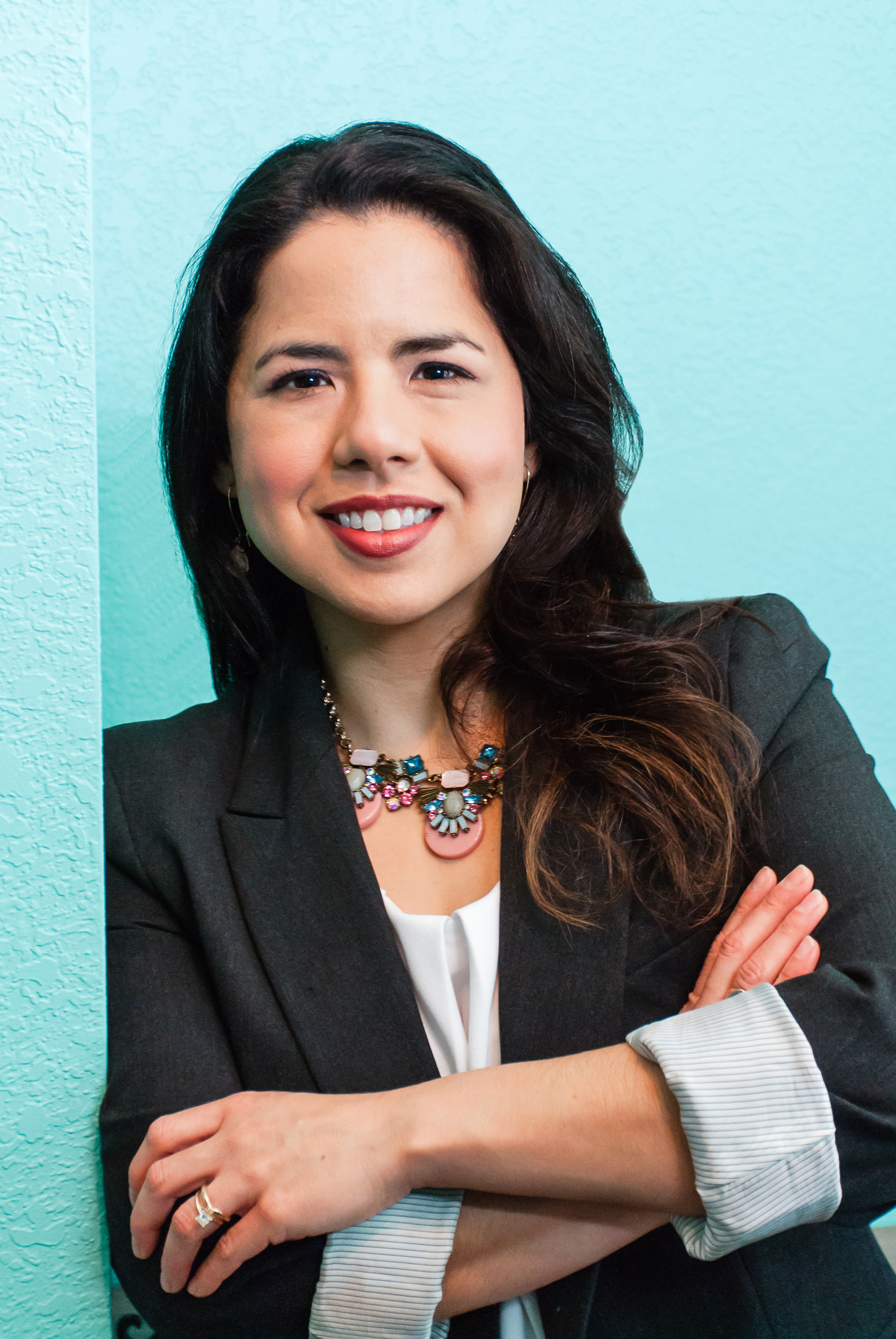
Melissa Vela-Williamson, M.A., APR, Fellow PRSA
Melissa Vela-Williamson, APR, Fellow PRSA, specializes in integrating public relations with cultural strategy and compassion principles. She is an industry author, podcast host, and boutique firm owner. Connect with her at MVW Communications.