




Why You Crash After the Win (and How to Stop It)
By Mark Mohammadpour, APR, Fellow PRSA
February 2026
After 23 rounds of edits, the announcement (FINAL_PressRelease_FINAL_USE THIS VERSION.doc) finally crossed the wire. The event you’ve been working on for the last three months is wrapped up. Media coverage is net positive. The client is overjoyed.
But you and your team are exhausted. Fourteen-hour days the last few weeks are starting to catch up. Exercise routines and solid sleep were down, while strained eyes and unhealthy food deliveries went up. Soon after your campaign wraps, you and your team might start feeling lethargic or sick.
We spend so much time planning for the event, but never for the recovery.
During high-stress moments — and let’s face it, most days in our industry fall in this category as we’re running on Dunkin and adrenaline — our immune system gets weakened. And when that stress relaxes a little, like after a major event, our immune system ramps back up into overdrive, and that’s what causes illness, migraines or flare-ups.
In addition, there’s also what Dr. Tal Ben-Shahar calls “The Arrival Fallacy,” described as “reaching a particular goal, and subsequently expecting a lasting sense of fulfillment to result. But instead, finding that happiness, accomplishment or satisfaction to be disappointingly elusive and fleeting.”
Continuous crashes
For PR pros who manage stress, highs and lows regularly, this can feel like a constant roller coaster of successes and crashes. And it’s these continuous crashes, when not managed properly, that can lead to discontentment, low performance, apathy or departing the company.
Managing these highs and lows can make the difference between a healthy, confident, productive team and a tired, disconnected and uninspired one.
So how do we calmly wind down after a busy work cycle without an Adrenaline Plunge?
We need to plan our work so that the end of our project goes through the final event, and one that’s inclusive of our well-being.
Research by Sabine Sonnetag suggests that “exhausted employees find detachment from work increasingly difficult and therefore might suffer from insufficient recovery… The situation is particularly severe when exhausted employees face high time pressure and a lack of pleasurable leisure experiences.”
Before every big announcement, trade show, event or other campaign, include specific activities post-event.
Specific activities include:
- Blocking out 2-4 hours immediately after your campaign to spend on (slightly) lighter work-related activity to keep the brain going. Activities can include preparing expense reports, organizing files and notes, or other administrative work. Even consider drafting a short abstract to kick off the Bronze or Silver Anvil application process!
- Enjoying a non-work-related reward within 48 hours after your campaign. Give yourself the chance to gain some needed life perspective away from the office. Examples include a dinner with close family or friends, a hike or going to a movie or sporting event.
- Taking well-deserved time off in the very near future. Consider taking a proactive approach for the upcoming year, but at the very least, take a long weekend after your campaign. Time off means complete, guilt-free detachment from work.
Including these ideas in your upcoming PR campaign workback schedules will ensure we stay healthy, confident, productive and trusted advisers as we prepare for what’s ahead. ϖ
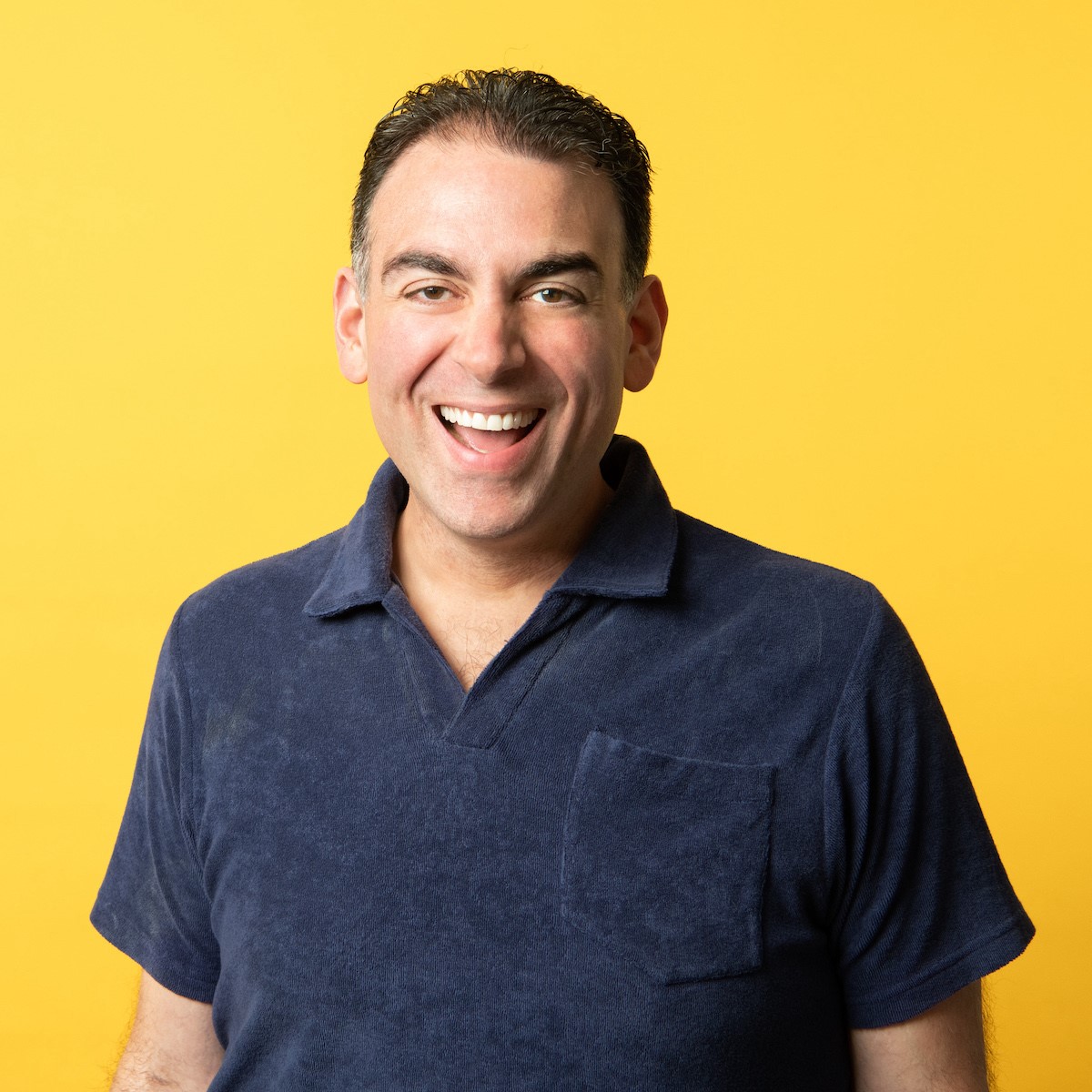
Mark Mohammadpour, APR, Fellow PRSA
Mark Mohammadpour, APR, Fellow PRSA, is a keynote speaker on communication, employee culture, and well-being. His company, Chasing the Sun, empowers PR professionals to shine in the family room and the board room. Before launching Chasing the Sun, Mark was an executive at Weber Shandwick and Edelman, leading award-winning campaigns for Adobe, Microsoft, Samsung, and the U.S. Army. Visit chasingthesunpdx.com or email Mark at mark@chasingthesunpdx.com.