



6 Workplace Trends Shaping 2026
By Gina Larson
January 2026
Gina Larson was the guest on Strategies & Tactics Live on LinkedIn in December. Watch her take on workplace trends here.
While no one has a crystal ball, one common thread is clear: AI and the need to balance technology with humanity will define how we work in 2026.
The Workplace Intelligence study describes 2026 as a time of “realignment, consolidation and disruption.” Organizations that adapt quickly and ethically will be the ones that thrive.
This article explores six defining workplace trends and how leaders can shift from reacting to change to creating momentum and building a sustainable future of work.
1. AI as a teammate, not just a tool
AI is evolving from a productivity tool to its own spot on the org chart. Microsoft predicts that AI agents will soon be regarded as team members. As these capabilities accelerate, leaders have a clear opportunity to harness predictive intelligence for stronger decision-making and more strategic human work.
Here’s how leaders can prepare:
- Redesign entry-level roles. Evolve expectations to focus on AI oversight and insight generation. Establish apprenticeship models that build foundational skills through context and understanding, especially as execution work transitions to AI.
- Create AI governance. Only 26% of communication leaders feel confident assessing AI risks, Global Alliance research shows. Establish ethical frameworks to mitigate bias and misinformation, while enabling trusted innovation.
- Close the AI upskilling gap. PwC reports that daily AI users experience higher productivity and job security, yet only 54% of respondents used AI over the past year. This divide can create inequities across the workforce. Develop role-specific learning plans and leverage AI-fluent employees as internal tutors to bridge gaps and sustain collective momentum.
2. Leveraging the power of the middle manager
Middle managers are now the most pressured and most influential layer in organizations. They’re expected to integrate AI into workflows, support burned-out teams, and meet escalating executive expectations — all while staying engaged themselves.
The Gallup State of the Global Workplace 2025 Report notes that managers influence 70% of employee engagement, yet their own engagement is falling.
To sustain performance, organizations must focus on engaging their managers. Here’s how:
- Clarify expectations. Define how managers should lead evolving entry-level roles and integrate AI agents into daily work.
- Elevate their voice. Expand strategic responsibilities and empower decision-making and high-value work.
- Build support systems. Offer coaching, peer communities and real-time guidance.
- Invest in manager transitions. Provide structured programs for new managers, covering delegation and accountability alongside evolving leadership skills.
3. The outcome-based workforce — shifting from jobs to skills
In today’s fast-changing environment, job descriptions become outdated within months of hiring. Deloitte reports that 71% of surveyed workers perform work outside of their scope, and more work is performed across functions.
Work is now more fluid, and success depends on moving beyond responsibilities to clearly defining the skills needed to achieve outcomes.
Organizations can start with questions on the hard-to-fill and critical roles:
- What outcomes do we need?
- What tasks drive those?
- What skills are required?
Embedding the answers into job descriptions creates a foundation for a skills-based approach. Then, organizations can assess capabilities in the workforce, close gaps via learning and project-based work and deploy talent, driving agility, retention and performance.
4. Human-centric cultures win the productivity war
Automation has built efficiency, yet productivity lags due to declining employee engagement. In the same Gallup study, only 21% of employees are engaged globally, making productivity a human sustainability issue rather than an operational one.
The World Economic Forum offers a clear message: “The future of work won’t be driven solely by technology, but by distinctly human skills — analytical thinking, creative thinking, resilience, flexibility and agility, motivation and self-awareness, curiosity and lifelong learning.”
Self-awareness is the foundation of effective leadership — and the key driver of culture. While 95% of people believe they’re self-aware, only 10% to 15% actually are (Psychology Today). Leadership assessments and 360 feedback reveal blind spots and build trust. Leaders who welcome feedback and foster openness create cultures where employees feel safe to speak up and grow.
When leaders commit to understanding themselves and their people, they unlock the engagement, trust and psychological safety that drive sustainable performance.
5. The RTO reality is personalization over mandates
Return-to-office remains one of the most debated topics in the workplace. A 2025 Gallup study shows that 70% of remote-capable employees prefer hybrid or fully remote arrangements, while only 30% want to work mostly on-site (Workplace Intelligence).
Leading organizations are replacing blanket mandates with role-based flexible models. Flexibility is no longer a perk; it’s a key driver of engagement, productivity and loyalty. This shift is critical for retaining women and caregivers. The U.S. Department of Labor reported a dip in female labor force in 2025 due to inflexible schedules and rising childcare costs, further deepening gender inequality and talent pipeline.
Personalized hybrid is the sweet spot, enabling deep focus and balance at home, while intentional office time fuels collaboration, creativity and connection.
6. Building a fluid talent pool
Organizations are increasingly blending full-time staff, freelancers, contractors, and fractional leaders to build a more agile workforce and get the right mix of skills and capacity.
In addition, World Economic Forum reports 25% of people aged 55 and older face barriers to finding opportunities, exposing businesses to the risk of losing expertise and institutional knowledge.
What forward-thinking firms are doing to design a fluid workforce ecosystem:
- Building a trusted bench of freelancers and fractional experts.
- Forming blended project teams that emphasize knowledge sharing.
- Normalizing flexible career paths and staying open to hiring highly experienced talent or engaging seasoned professionals in advisory roles.
- Leveraging supplemental talent to scale up or down, maintaining continuity and reducing disruption as business ebbs and flows.
The workplace of 2026 will be defined by how well humans and AI work together. The organizations that thrive will set ethical boundaries, invest in upskilling, support managers, redesign roles and build cultures where people feel trusted and valued.
The future of work belongs to us — with the opportunity to move beyond the tactical and focus on what truly makes us competitive: creativity, empathy, judgment and connection. In the end, technology will amplify what already exists — and our humanity remains our greatest advantage.
Gina Larson
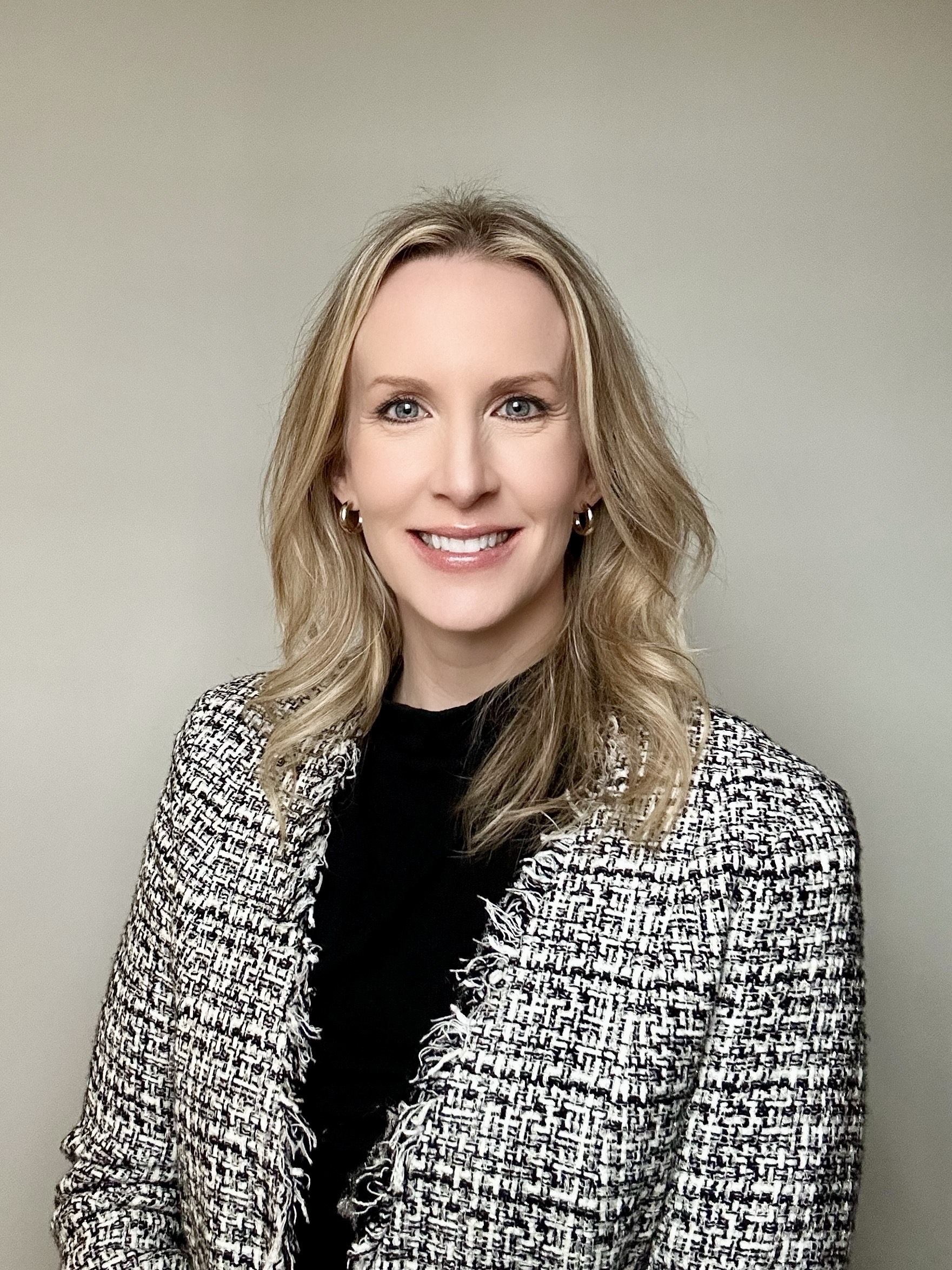
Gina Larson is an ICF-certified executive coach and founder & CEO of StandUp HR. Organizations hire Larson to strengthen HR and people practices that align with business goals and deliver measurable results. As an executive coach, she partners with leaders to build self-awareness, elevate performance, and develop high-performing teams that drive sustained success. Connect with her at GinaLarson@StandUpHR.com or on LinkedIn.