



A Tech Communicator’s Take on AI and Continuous Change
By Crystal M. Brown, APR
January 2026
Workers can expect that two-fifths (39%) of their existing skills will either be transformed or become outdated by the year 2030, a report from the World Economic Forum finds.
Amid technological, economic, social and geopolitical upheaval, a recent report from Accenture found that 90% of C-suite leaders say the pace of change has accelerated since January 2025, and 84% expect it will increase further.
If the pandemic years introduced the “new normal,” then the AI era might be the “never normal.” Leaders everywhere are discussing emerging technologies, how jobs will fragment into specific tasks, and which tasks will be automated or augmented with AI.
As a communications leader in the tech sector, here are some of my thoughts and experiences regarding the rise of AI:
Continuous learning
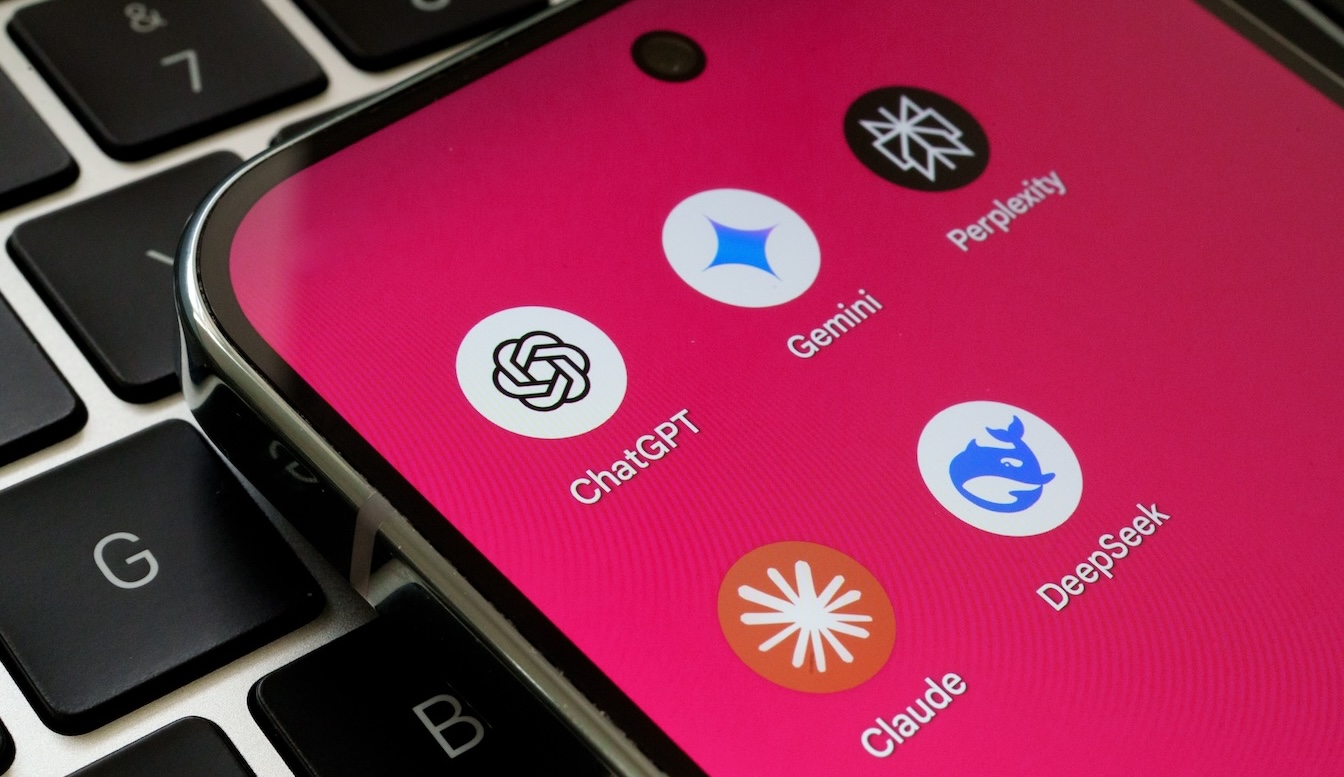
Since the public debut of the artificial intelligence chatbot ChatGPT in late 2022, AI tools such as Claude, Gemini and successive versions of GPT have flooded the market. The release-cadence of these AI tools — six iterations of ChatGPT in 2025 alone — shows how critical rapid learning is to keep pace.
One practice I’ve adopted is to follow daily (that’s right, daily) news about AI. I’m trying new AI platforms, reading industry briefs, and listening to technology podcasts. After doing this consistently for six months now, I’ve seen an improvement in my ability to use AI tools for communications strategy.
Authenticity over convenience
In times of great change, when everything around us feels uncertain, our values guide our decisions. In my previous job at Amazon, I experienced how the company uses group tenets as a framework for making decisions.
These shared principles usually include trade-offs. If you find yourself conflicted over which choice to make, then you choose based on the guidance provided by the tenet. I found the exercise so valuable that I have continued to apply it to my work, nearly four years after leaving the company.
With the advent of AI, one tenet I have introduced in my work is “authenticity over convenience.” I invest time in thoughtful AI workflows, which communicate the machine’s intermediate “thought processes” throughout an interaction. This approach takes a little longer, but it protects the credibility of my work.
Accessible innovation
When I was a marketing manager at a global company in the late 2000s, it cost $3,000 to produce a single QR code for marketing collateral. Today, QR codes can be generated in seconds for free, or at minimal cost.
Innovation has become more accessible than ever. And that accessibility is changing expectations: It’s no longer sufficient for just a few specialists to own the latest tech tools. Increasingly, all team members are expected to engage directly with the technology.
With this level of accessible innovation, now is the time to challenge legacy workflows and to ask not, “How do we do this?” but “How should we do this?”
Value of human connection
AI made content generation more accessible than ever. Research by Originality AI shows a 189% increase in LinkedIn posts flagged as AI-generated since the launch of ChatGPT.
This means the value of human connection is growing. We differentiate ourselves by our presence, by how we carry ourselves in real conversations with other people.
One way I use AI is to work more efficiently. But it can come with a cost.
In the past, I would ask an engineer to explain something technical to me. Today, I generally ask AI to explain something from an engineer’s perspective. Similarly, when joining a discussion that’s already underway, I will often request an audio recording of the meeting and then review an AI-generated summary of that recording. I stay informed without disrupting my colleagues’ work or making demands on their time.
But with meeting summaries or AI explanations from an engineer’s point of view, I lose the human connection and might risk damaging my professional network as a result. To stay connected, I’m leaning into 15-minute check-ins more consistently.
Artificial intelligence is reshaping our work as communications professionals. Our future requires us to be technologically fluent and to think critically. AI is built for the curious. And as the kid who always raised her hand in class, I have plenty of questions.

Crystal M. Brown, APR
Crystal M. Brown, APR, is a communications leader specializing in executive visibility and strategic operations. She helps global companies scale influence and impact through AI-enabled, data-driven communications. Currently at Cisco, she previously held leadership roles at Amazon, 3D Systems and Fluor Corporation. Connect with her on LinkedIn.