



The Most Popular Social Media Sites; a New Role for TikTok Influencers
By Greg Beaubien
January 2026
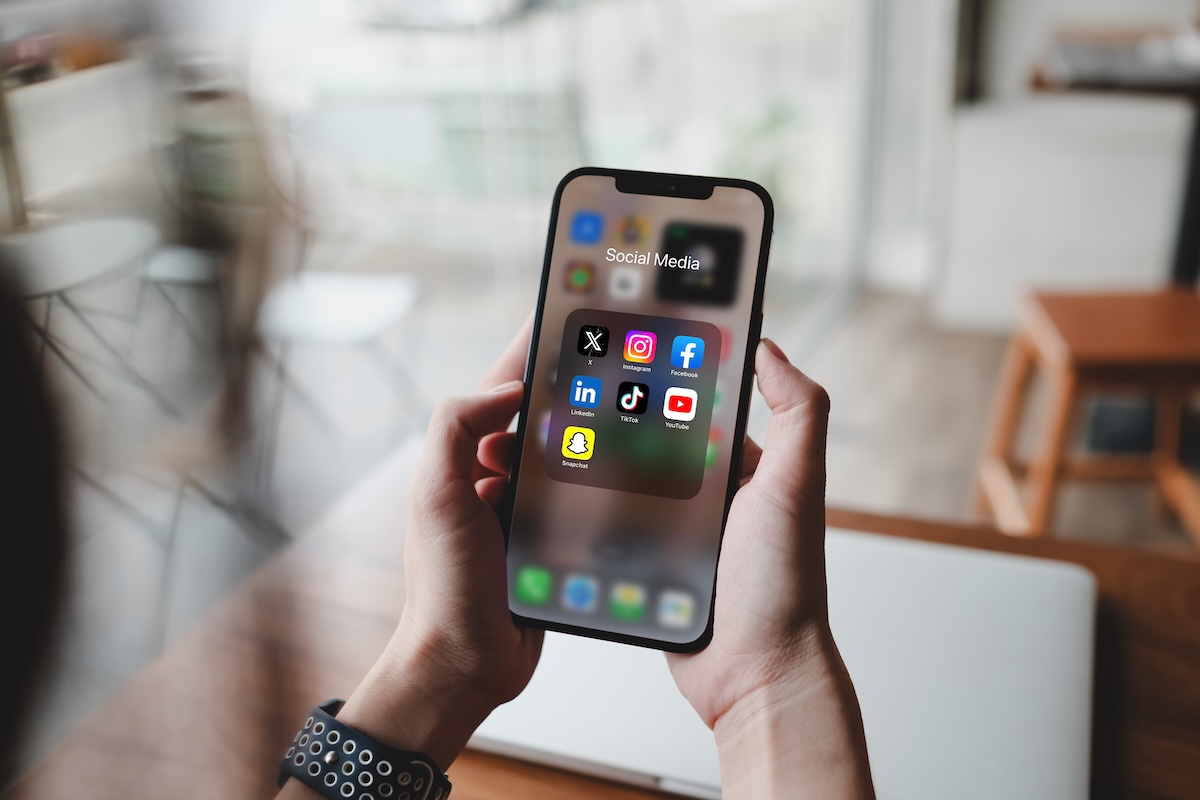
YouTube and Facebook are still the social media platforms that U.S. adults use most often, Pew Research Center finds.
In a survey, the vast majority of respondents (84%) say they ever use YouTube, while (71%) also report using Facebook. Half of respondents say they use Instagram, the only other social media platform in the survey used by at least 50% of Americans.
Smaller shares of U.S. adults use TikTok (37%) and WhatsApp (32%). Fewer use Reddit (26%), Snapchat (25%) and X (21%). About 10% of respondents use the social media sites Threads, Bluesky and Truth Social, the research finds.
The youngest adults surveyed use Instagram, Snapchat, TikTok and Reddit more often. YouTube and Facebook are the only sites in the survey that a majority in all age groups use.
More than half of women surveyed (55%) report using Instagram, compared with less than half of men (44%). Men are more likely to use X and Reddit, the research finds.
Companies Tap Employees as TikTok Influencers
A video that Starbucks barista Bridget Baron filmed of herself swirling whipped cream onto holiday drinks received more than 800,000 views on TikTok.
According to reports from The Wall Street Journal, the coffee chain is part of a trend in which corporations co-opt employees as their own social-media influencers.
The strategy lets employers convey the image of a happy workplace while also getting a grassroots-like marketing boost from their young staffers. For their part, employees can leverage their content-creation skills to receive greater visibility, perks and professional-development training.
Baron, who studies computer science in Charlotte, N.C., was one of 53 baristas Starbucks has chosen since 2024 for an initiative that encourages rank-and-file employees to post on-the-job videos. Otherwise, the company still prohibits its baristas from posting on social media while working in their aprons or behind the bar, unless preapproved and coordinated with the company’s brand-marketing team, it said.
Workplace analyst and corporate adviser Josh Bersin said tapping employees as in-house influencers has to feel authentic.
American Teens Take Dim View of News Media
Asked for one word to describe today’s news media, 84% of teens say something negative, such as “biased,” “crazy,” or “fake,” a recent survey finds.
As the Associated Press reports, many American teenagers get their information from social media instead.
In the survey of 13-18-year-olds by the News Literacy Project, a nonprofit that advocates teaching news literacy in grades K–12, about half the respondents believe that reporters often make up quotes, pay or do favors for sources, or give advertisers special treatment. About 60% of teenagers surveyed say journalists regularly take photos and videos out of context.
Only about a third believe reporters often correct errors when they occur, confirm facts before reporting them, gather information from multiple sources or cover stories that help protect the public interest, the research found.
The press rarely fares well in surveys of adults, either. In today’s politically divided era, opinionated journalists make readers wonder what to believe, the AP reports.
Employee Well-Being Falls to 4-Year Low, Report Finds
Scores for employee well-being have dropped in recent years, research from Johns Hopkins University finds. In 2024, employees reported the lowest well-being scores on record, compared to 2020, when they reported the highest scores.
The latest analysis suggests that companies that stopped building supportive workforce cultures after the pandemic undermined worker wellness scores.
Researchers saw “a growing gap between how leaders and their teams experience the workplace,” said Rick Smith, the study’s author and director of the Human Capital Development Lab at the university’s Carey Business School.
In some cases, lower well-being scores reflect reduced opportunities for flexible hours or remote work, the report says. Lower scores might also result from economic stress caused by inflation. The 2024 data show well-being scores rising for managers and senior leaders, while falling for employees.
According to a previous Hopkins report, “Poor mental and physical health in a workforce can erode profits through higher turnover, decreased engagement, reduced customer service and increased health care costs.”

Greg Beaubien
Greg Beaubien is a freelance writer based in Chicago. He is a frequent contributor to Strategies & Tactics.