



Is Your 2026 Mentorship Just Performance Art?
By Dan Farkas
April 2026
I hope everyone has a Greg Farkas in their life.
Greg is my brother. He is a successful attorney, a father to two brilliant children, a husband who married up, a relentless advocate for those in need, and a weary handler of two animated dogs.
PR leaders spend a lot of time discussing “talent retention,” “Gen Z relations” and “What is up with Gen Alpha worries.” As I look at my brother’s career, I realize our profession’s approach to mentorship is often backward. We treat it like a press release with too much polish and too little substance.
To reach the next generation of practitioners, consider this:
Are we actually living the mentorship lessons we try to teach others?
Using my brother’s favorite bands, let’s identify more intentional mentorship.
The R.E.M. Rule: “The time to rise has been engaged.”
My brother’s favorite band captures a sentiment we often ignore in the C-suite: The “time to rise” is constant.
Mentorship isn’t just a scheduled coffee chat or a “thought leadership” post on LinkedIn. Your mentees are looking at you 24/7/365. That speech you give at the annual meeting isn’t nearly as important as their observations of you during a crisis.
Stacey Hanke, a brilliant voice in leadership, often asks people if they are the same person Monday to Monday. That degree of consistency in our mission, vision and values is vital. We cannot just tell the next generation how to be professionals; we must live it in mind, body and spirit. If your “Monday-self” is a champion for ethics, but your “Thursday-self” cuts corners to meet a KPI, good luck.
Van Halen and vacuum cleaners
“You got it tough
I’ve seen the toughest around
And I know just how you feel
You’ve got to roll with the punches
To get to what’s real.”
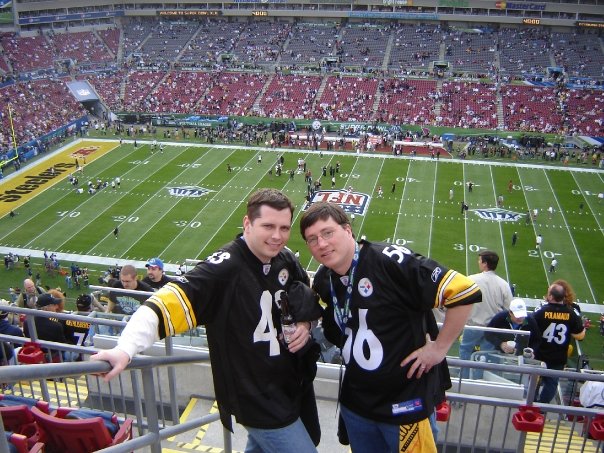
Van Halen’s 1984 album was an “Ah Ha…” experience I will never forget. So too is this story from my brother’s law school days. It involved the Pittsburgh Steelers, a gut-wrenching loss, and an “unfortunate accident” involving a broken vacuum. Details are spotty and closely guarded. Here’s what I know: My brother was seen carrying a vacuum cleaner down the street to get it fixed himself.
Bad things happen to good people. Great practitioners face setbacks. Too often, we shield our mentees from uncomfortable feedback or, worse, hide our own failures.
The best mentorship happens when new professionals see us roll with the punches. They need to see the walk to the repair shop. They need to know that when we offer direct feedback, it’s because we want them to succeed. Success isn’t the absence of mistakes; it’s the result of doing the uncomfortable work to fix them.
The Buffett Shift: Meeting them where they are
“It’s those changes in latitudes, changes in attitudes
Nothing remains quite the same”
Greg took me to my first concert. Jimmy Buffett’s genius was his ability to adjust to the times while staying true to his core.
The way we were mentored back in the day needs to evolve. To bridge the gap, we must ask:
- Are we engaging all five senses? We need to find ways to make people understand with sight, sound, touch, taste and smell when able. This is particularly true in online settings when it’s easy to zone out.
- Are we explaining the “Why” behind the “What”? Gen Z and Gen Alpha value context with the content.
- Where does our mentorship fit into their social and emotional wellness? Young people face a crisis of trust in traditional institutions and seek faith and confidence in their work community. That makes you a mentor whether you signed up for it or not.
This isn’t about one generation being better or worse. We’re different. Our willingness to meet them where they are helps mentorship stick.
The silent appreciation
Here is the strange thing about my brother: He probably has no idea how much I appreciate his mentorship and support. Maybe he’ll find out when he reads this column.
The people who value your leadership the most are often the ones who never say a word. But they are watching. They are learning. When we are our intentional best selves, we can support our next generation of practitioners.
Let’s stop performing mentorship and start living it.
Dan Farkas
Dan Farkas is a proud executive committee member of PRSA’s Counselors Academy. A professor of strategic communication at Ohio University, Dan is also the chief advocate officer of Pass PR, which bridges the gap between employer needs and employee capacity.